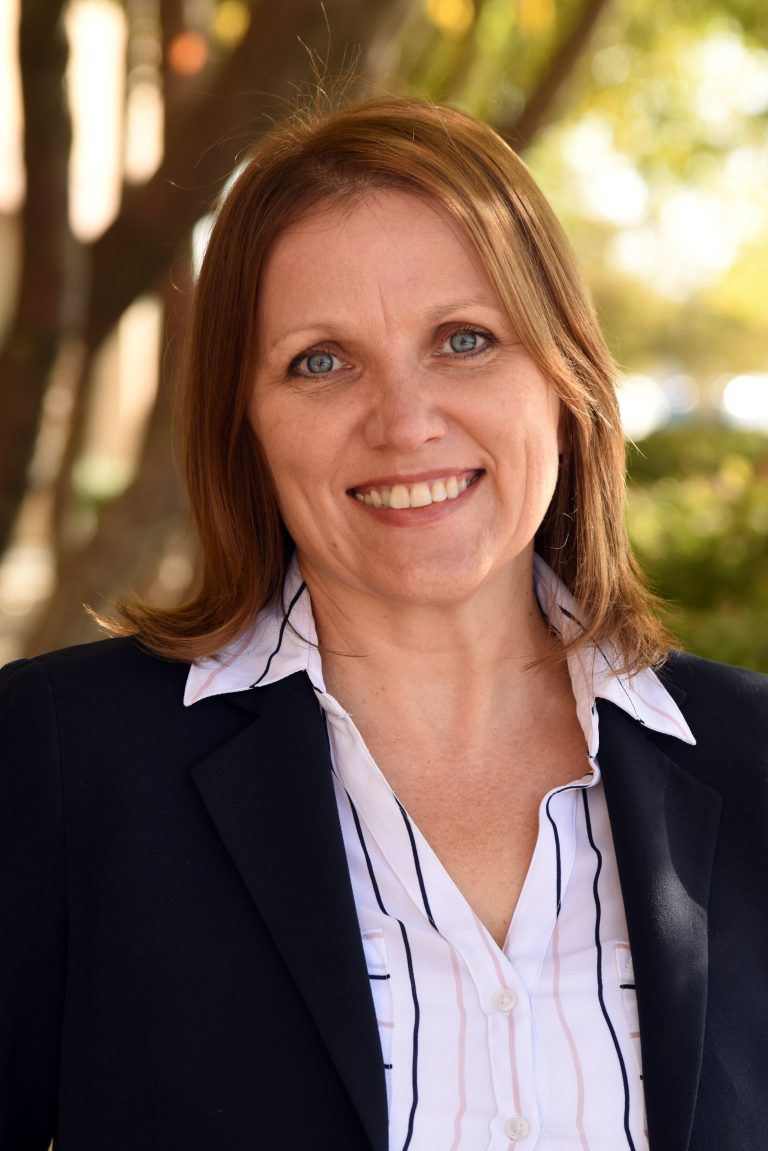
As the U.S. looks to nuclear energy to power a cleaner, stronger, and more reliable future, Ph.D. graduate Svetlana “Lana” Lawrence is helping lead the effort. At Idaho National Laboratory, she leads research that keeps nuclear plants safe and competitive, guiding from a systems engineering perspective.
Lawrence leads INL’s Risk-Informed Systems Analysis Pathway, part of the U.S. Department of Energy’s Light Water Reactor Sustainability (LWRS) program. Her work supports nuclear power plants across the country, enabling them to remain safe, reliable, and efficient as they are made to operate longer.
The LWRS program is a national effort tied directly to the priority of energy dominance laid out in a series of May 2025 executive orders. The DOE is tasked to increase energy output from existing nuclear power sites by 5 gigawatts and have 10 new large reactors with complete designs under construction by 2030. Another bold target is to boost U.S. nuclear capacity from roughly 100 gigawatts today to 400 gigawatts by 2050.
One gigawatt of power can sustain 100 million standard LED lightbulbs.
Lawrence’s journey into nuclear research began after the 2011 Fukushima Daiichi accident. With a background in civil engineering, she applied her expertise to flood hazard evaluations for nuclear facilities. Her goal was to ensure these facilities could withstand rare but devastating natural events. That work revealed a challenge that continues to compel her today: the need to integrate technical, human, and organizational systems.
Lawrence later earned a master’s degree in reliability engineering at the University of Maryland and was introduced to systems engineering while there. She realized it offered the tools she needed to address the communication problems and siloed practices she observed in the nuclear sector.
Now a recent Ph.D. graduate of the Colorado State University’s Department of Systems Engineering, Lawrence credits the program with expanding her perspective.
“Systems engineering gives you such a great perspective, not just on technical components and probability, but also on human systems and interactions within organizations,” she said. “Sometimes people are just doing their jobs without the greater perspective in mind, and we can help them get that deeper understanding for a holistic picture.
“The whole system must work together for the best outcome.”

Her advisor, associate professor Dan Herber, has supported her research journey as she balances doctoral studies with leadership at INL. In both roles, she is driving change in an industry that has traditionally been cautious in adopting new technology.
“We have an understandable aversion to risk, and change always carries some risk,” Lawrence said. “But we should still keep up with other industries in basic technological modernization.”
For Lawrence, the pursuit of systems engineering is about shaping a more reliable energy future while bridging the gap between technical science and human decision-making. Some of her recent academic publications include work on nation-wide adoption of novel energy systems. Her dissertation was on the commercialization of such systems.
“Lana’s work utilizing model-based systems engineering has better captured the complexity and opportunity for the development of new energy systems,” Herber said. “Her work has been a great experience translating modern systems engineering principles and methods into actionable insights for decisionmakers.”

Outside of the lab and classroom, Lawrence finds balance in the outdoors. She is an avid road cyclist, hiker, and camper who enjoys exploring the mountain landscapes of Idaho and beyond. She has even taken up skiing and discovered a love for photography.
The CSU Systems Engineering Department is committed to giving professionals like Lawrence flexible ways to engage with advanced education while continuing impactful careers. With rigorous coursework and access to analytical tools, students are equipped to address the world’s most complex socio-technical challenges.