
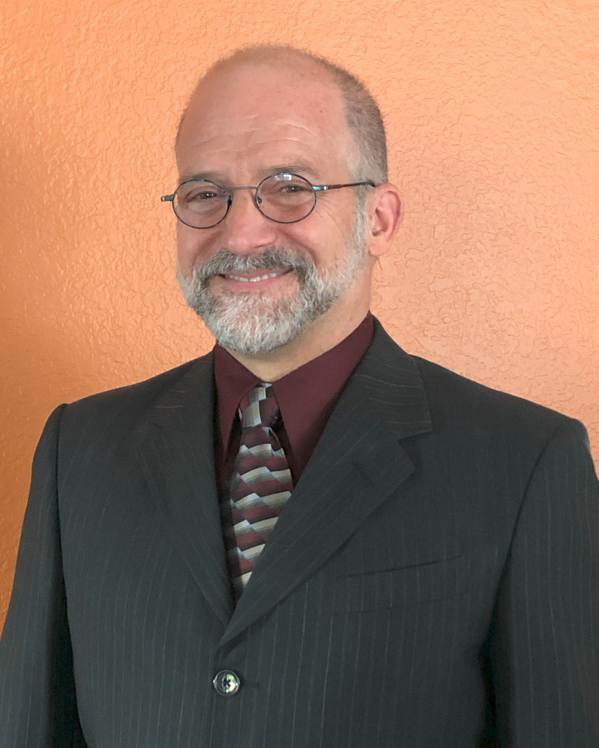
Chuck Baker, Ph.D.
Hometown:
Trenton, MI
Current Home:
Upland, CA
Dissertation title:
Systems Engineering of Active, Passive, and Bioengineered Protection from Space Radiation
Advisor:
Steven Simske
“I would like to extend my heartfelt thanks to my advisor, Dr. Steven Simske, for his steadfast mentorship and guidance throughout this journey. His positivity and encouragement were a constant source of motivation during the most challenging research and writing stages. Dr. Simske has been more than an advisor; he has been a true mentor whose insights extended far beyond systems engineering. I am deeply grateful for his generosity with time and knowledge and for the example he has set as both a scholar and a leader.”
Post-graduation plans:
“My long-term professional objective is to transition into a full-time university faculty role, where I can contribute to both teaching and research in the areas of space systems engineering, spacecraft radiation protection, and model-based engineering methodologies.”
Favorite memory:
“One of my favorite memories from doing my Ph.D. remotely was realizing that meaningful research collaboration doesn’t require being in the same room. I’d be up late-night running FLUKA simulations or SysML models, and when something finally clicked — like seeing a validation curve align with my MBSE assumptions — I felt just as connected as if I were on campus. That moment captured the essence of remote doctoral work: persistence, independence, and community through technology.”
Thanks you’d like to give:
“To my family, I owe the deepest gratitude. Your unwavering support, sacrifice, and understanding carried me through countless late nights, weekends spent in front of simulations, and long stretches of writing. Your belief in me gave me the strength to persevere. I am equally appreciative of my committee members. Dr. Daniel Herber's expertise in model-based systems engineering helped shape the technical rigor of this work. Dr. Greg Marzolf's insights in systems engineering strengthened the methodological foundations of the dissertation. Dr. Marty Gelfand's perspective in physics provided critical grounding and expanded the scientific depth of my research. Their thoughtful feedback, constructive critiques, and encouragement were invaluable in refining and elevating this work.”
Anything else you’d like to share?
“Finally, I hope this dissertation contributes, in some small way, to the enduring human endeavor of space exploration. These findings help advance safe and sustainable approaches for protecting future astronauts as humanity ventures farther into deep space, toward the Moon, Mars, and beyond.”
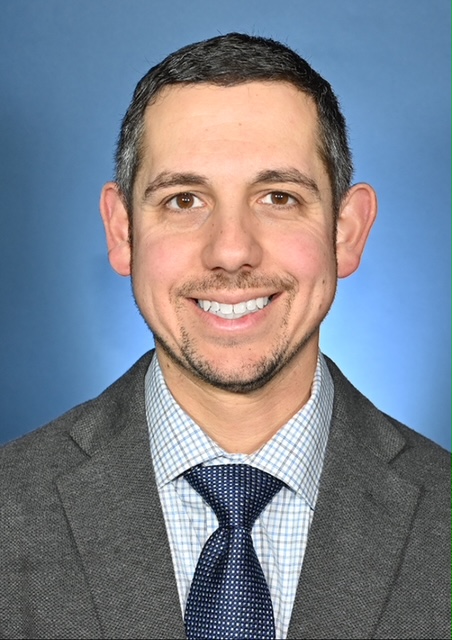
John Gregory, Ph.D.
Hometown:
Brewster, NY
Current Home:
Bowie, MD
Dissertation or thesis title:
A Tailored Systems Engineering Process for Developing Student-Built CubeSat Class Satellites
Advisor or faculty mentor:
Dr. Ron Sega
Favorite memory:
Department Social last year in Old Town Alexandria
Post-graduation plans:
Continue work at NASA Goddard Space Flight Center
Thanks:
“My wife, Nelly Montenegro, my kids, John, Leah and Elena, my parents, John and Maria Gregory, and my sister, Jennifer Pierce.”
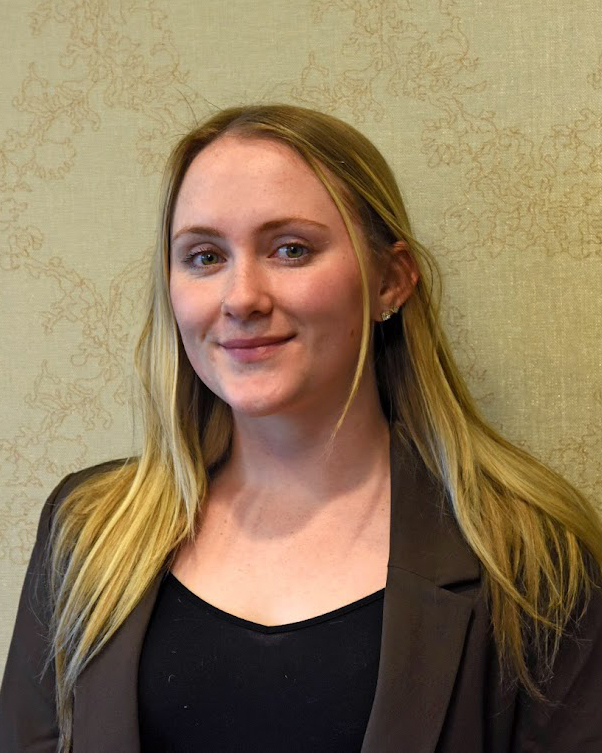
Sarah Hernandez, Ph.D.
Hometown:
Fort Collins
Current Home:
Firestone, CO
Dissertation or thesis title:
The Development of a High-Throughput Plasmid Assembly Pipeline
Advisor or faculty mentor:
Dr. Jean Peccoud
Favorite memory:
“Getting my first sequencing run to perform successfully in lab!”
Post-graduation plans:
“Work as a Life Science Specialist at Avantor/VWR.”
Thanks:
“I want to thank my PI, Mentors, and Friends, and Family who supported me through the program. I am grateful to have come so far.”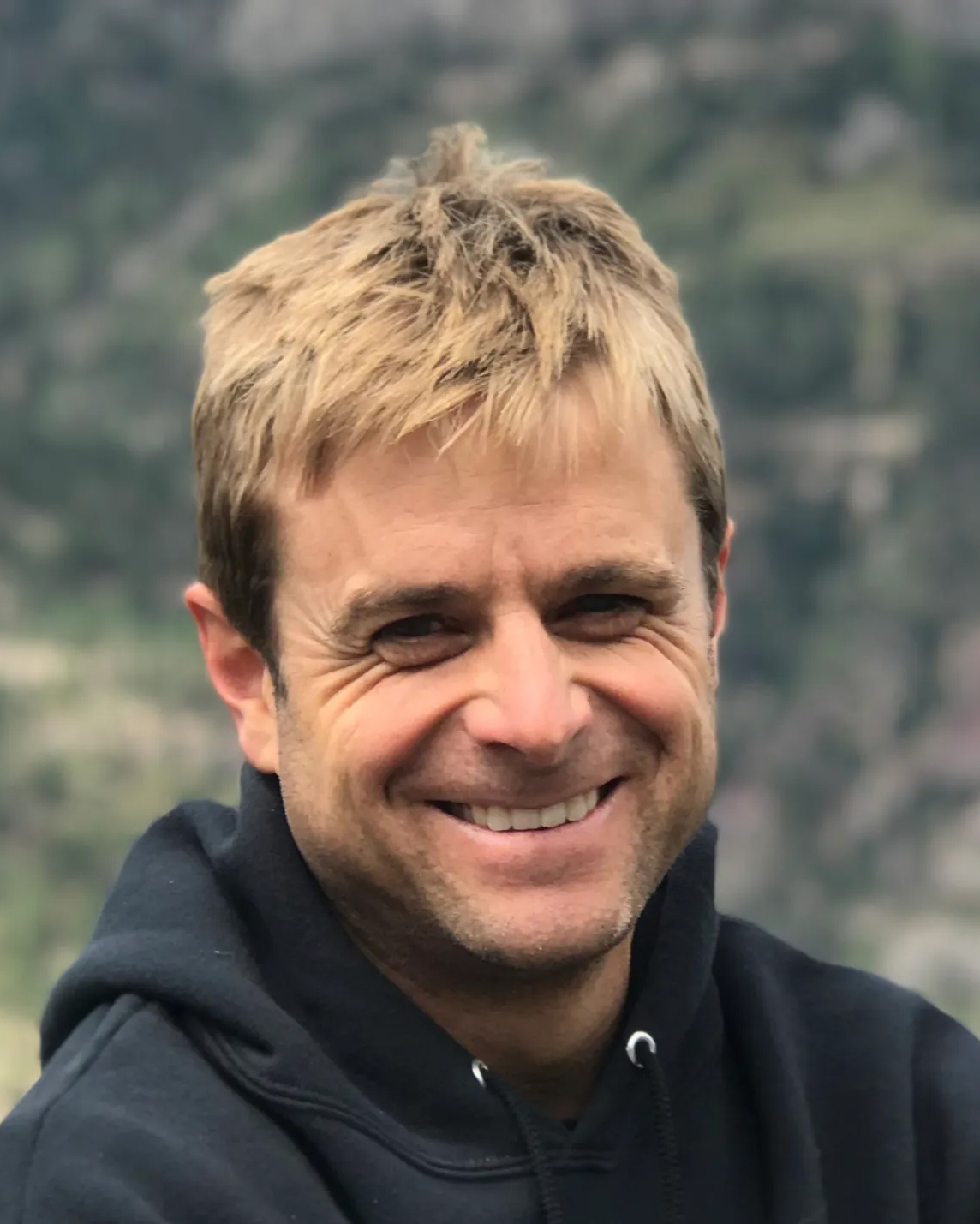
Seth Mason, Ph.D.
Hometown:
Pagosa Springs, CO
Current Home:
Carbondale, CO
Dissertation or thesis title: (if applicable)
Linked Sociopolitical and Environmental Controls on Large-Scale Water Conservation Program Feasibility and Effectiveness
Advisor or faculty mentor:
Neil Grigg
Favorite memory:
“During my time at CSU, I took classes remotely and participated in lectures from my home office. My two young boys regularly poked their heads in the room to see if anything interesting was being discussed. They were so intrigued by the topic of one lecture that they listened to most of it and we turned it into a post-lecture living room engineering challenge. The opportunity to share the experience of learning with them and see their genuine curiosity for the topic was a great inspiration to me.”
Post-graduation plans:
“I plan to continue my work as a consulting engineer working on water use and management issues in the Upper Colorado River Basin.”
Thanks:
“I will be forever grateful to my family for patiently (most of the time) supporting me throughout this endeavor, to each of the talented CSU professors who greatly enriched my experience as a graduate student, and to the numerous organizations whose generous funding support made my program of research possible.”
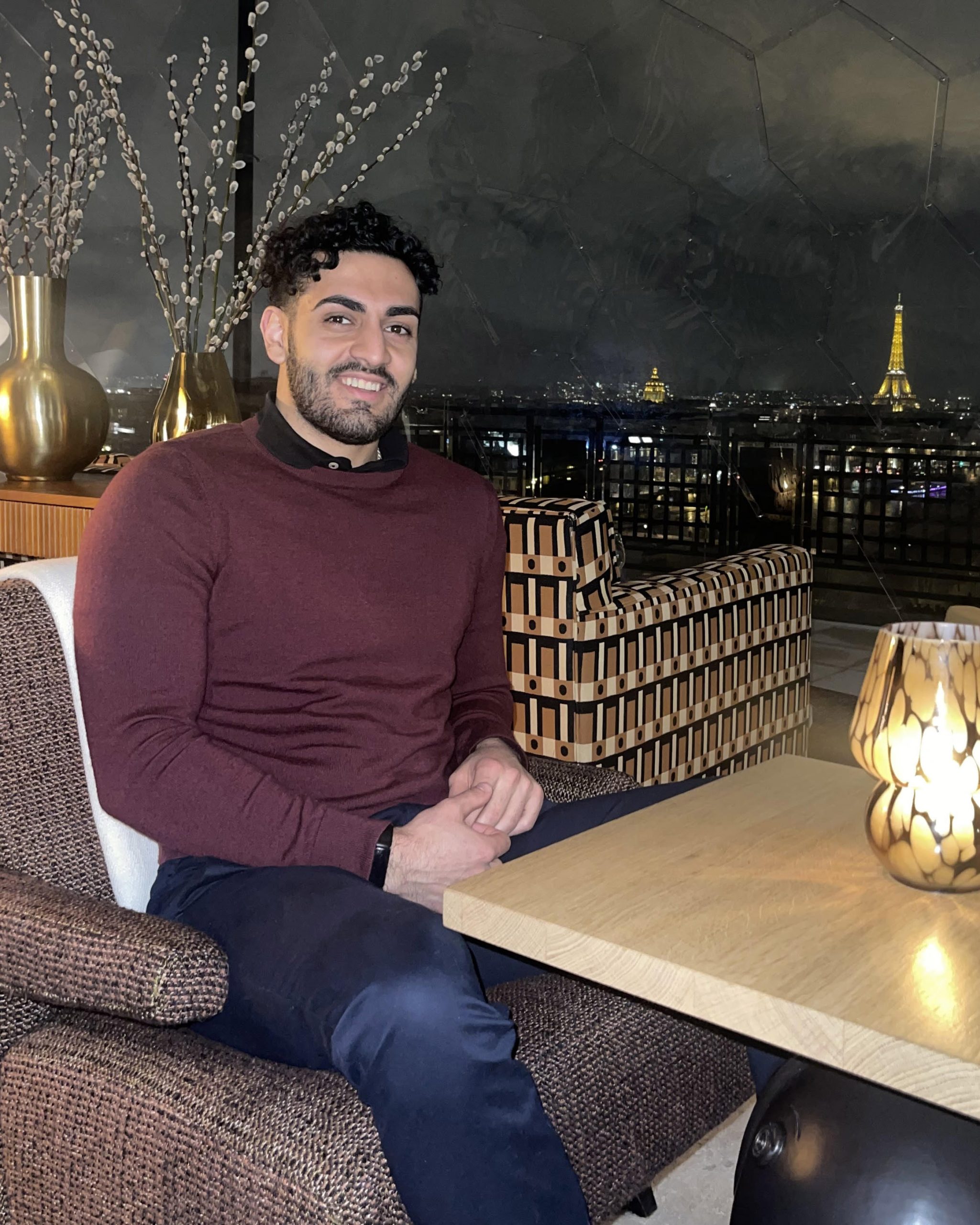
Ariyan Aliakbarian, M.S.
Hometown:
Frisco, TX
Current Home:
Englewood, CO
Non-thesis Project title:
Network Representation of Organizational Factors Impacting Human Performance
Advisor or faculty mentor:
Dr. Paglioni
Favorite memory:
“Midway through graduate school, I was able to apply the material I learned to transition from a mechanical engineer into a systems engineer. My favorite memories come from recognizing and applying concepts from my coursework directly within industry.”
Post-graduation plans:
“My employer sponsored my graduate studies, and I will be continuing my career as a systems engineer at the same company.”
Thanks:
“Thank you to the staff, faculty, and classmates at CSU who made my graduate experience both rigorous and rewarding. A special thank you to Dr. Paglioni for being an exceptionally flexible, knowledgeable, and supportive mentor throughout my capstone project. Ingrid is also an amazing academic advisor, and without her support, being a remote student would not have been nearly as easy.”
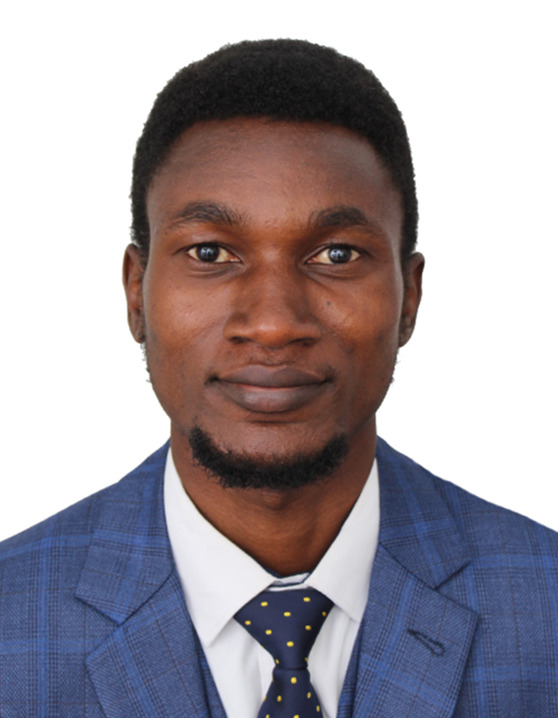
Jacob Mdigo, M.S.
Hometown:
Taveta, Kenya
Current Home:
Fort Collins, CO
Dissertation or thesis title:
Modeling of Methane Emissions in Oil and Gas Industry: Pathway for Measurement-Informed Inventories
Advisor or faculty mentor:
Dr. Arthur Santos
Favorite memory:
“Great and friendly community, the mountains, and amazing parks.”
Post-graduation plans:
1. Transitioning to Industry: I am actively seeking opportunities in air quality and measurement-informed methane emissions inventories.
2. Establishing a startup for air quality and methane emissions (AQAME), to support efforts towards a green planet and improving life.
Thanks:
“I want to thank my advisor, Dr. Arthur Santos, the Systems Engineering department led by Prof. Thomas Bradley, and the amazing CSU community in general for every moment I shared with them. Special thanks to Prof. Dan Zimmerle, the director of the Methane Emissions Technology Evaluation Center (METEC), where I worked as a research assistant for two years during my master's journey.”
Anything else you’d like to share?
“I never take the people I meet for granted. I believe every encounter happens for a reason—not by coincidence, but as part of a bigger plan. In time, the dots connect backward.”
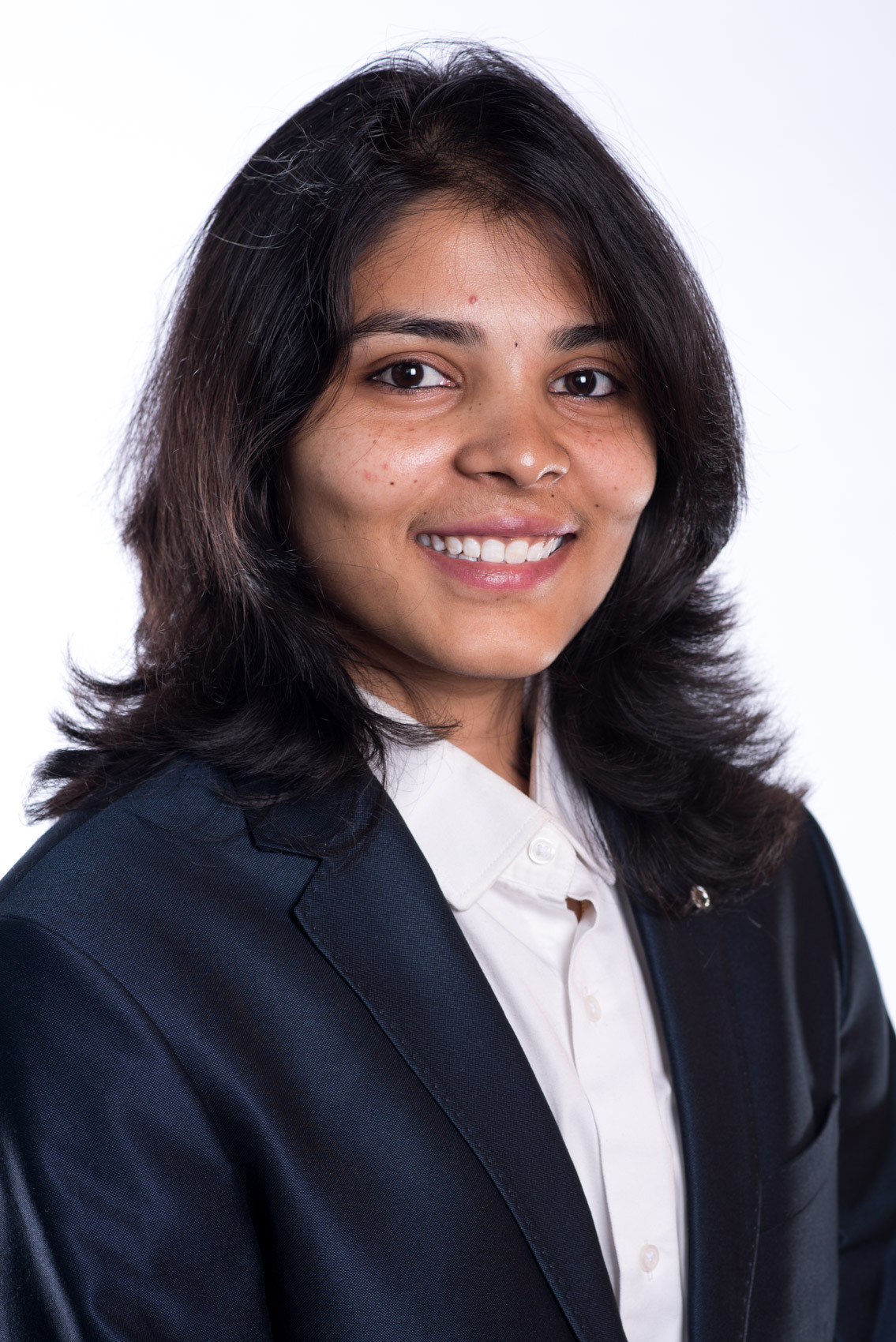
Makkena Mounika, M.S.
Hometown:
Guntur, Andhra Pradesh, India
Current Home:
Fort Collins, CO
Non-thesis Project title:
Design and Implementation of a Unified Data Logging System for PV Manufacturing Processes
Advisor or faculty mentor:
Dr. Erika Gallegos and Dr. Amit Munshi
Favorite memory:
“Working as a GTA for Senior Design and guiding different project teams. I enjoyed tracking their progress, helping solve any blocking points, and seeing their confidence and success grow from the start of the semester to their final presentations.”
Post-graduation plans:
“Pursuing a full-time role in data engineering.”
Thanks:
“I am deeply grateful to my advisor, Dr. Amit Munshi, for his guidance, support, and mentorship throughout my final project. I would also like to thank Dr. Erika Gallegos for serving as my final project advisor in the Systems Engineering department, and Dr. Debra Dandeneau, my program advisor, for helping me stay on track with my degree requirements and deadlines.
“Special thanks to my husband, Sushmakanth Myneni, for his constant support and encouragement.”
Anything else you’d like to share?
“I’m so thankful for the opportunity and experience I had at CSU, both professionally and personally.”
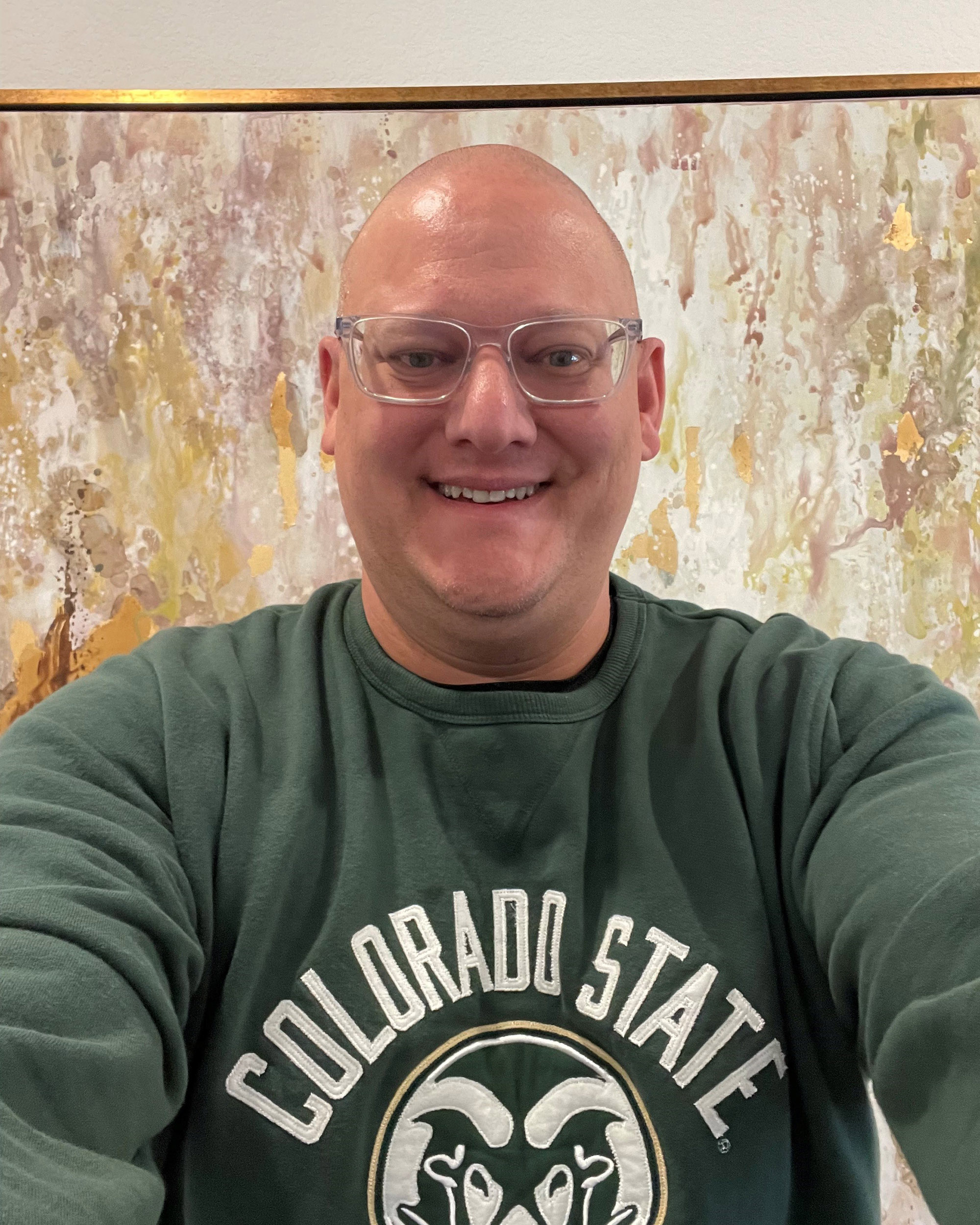
Patrick Highsmith, M.E.
Hometown:
Austin, TX
Current Home:
Lone Tree, CO
Advisor or faculty mentor:
Ingrid Bridge
Favorite memory:
“Taking my wife and our 6-year-old son to campus and seeing our son’s excitement when we toured the engineering building.”
Post-graduation plans:
“I am transitioning from my current job as QMS Manager to a new position as a Lead Systems Engineer! I work for Booz Allen.”
Thanks:
“I am grateful to all the staff, faculty, and classmates in the Systems Engineering Department for making me feel welcome, and helping me when I needed it.”
Anything else you’d like to share?
“As a liberal arts major who took the bare minimum of math classes needed for entry to the M.Eng. program, I really struggled my first year, both with the content and with imposter syndrome. My professors and classmates were eager to support me, and thanks to their generosity of spirit, I thrived here.”