
CSU Spur is a unique partnership between the CSU System and the city and county of Denver to more closely connect the Denver area – and 60,000 CSU alumni – with Colorado State University’s education, research, and outreach mission.
Engagement and research at CSU Spur
Engineering faculty and staff are located in the Hydro building, where we engage with students, alumni, and friends in the Denver area, including the surrounding Globeville and Elyria-Swansea neighborhoods.
The CSU System approved funding for dozens of community engagement and research projects at CSU Spur, including those showcased below from the Walter Scott, Jr. College of Engineering.
2024 CSU Day at the National Western Stock Show
Visitors and families at the National Western Stock Show spent time with engineering staff and faculty in the Hydro Building on January 13, 2024!
Opening of the Hydro Building at CSU Spur
Engineering staff and faculty presented our CSU Spur projects at the grand opening of the Hydro Building on January 6, 2023!
"It is our hope that everyone who steps onto Spur will realize how much we have in common, and that we’re not just better together, we’re interdependent on each other.”

CSU System Chancellor Tony Frank
Education, Outreach, and Research
The college’s efforts in education, outreach, and research for people in the Denver area will bring engineering to life, with engaging community programs that speak directly to Colorado State University’s land grant mission.
Projects
Day camps to help prepare incoming, Denver area first-year students to be calculus-ready
Denver-focused recruiters, outreach staff, and educators
Research programs and labs directly influencing the Denver area
- Outreach
Undergraduate Recruitment, Outreach and Equity
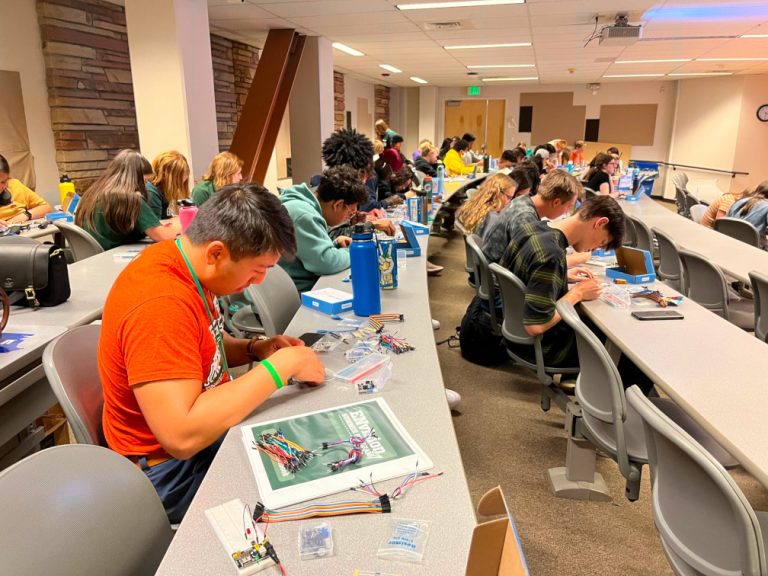
The college’s Engineering Success Center will provide a Denver-focused recruiter to work in tandem with Spur and the Division of Enrollment and Access. This recruiter will connect with middle and high school students through a range of events, including:
- Developing interests in science and technology through such activities as hands-on engineering experiments.
- Hosting summer camps that help first-year students with math preparedness.
Building relationships with community colleges to promote recruitment of transfer students.
- Education
- Outreach
Systems Engineering educator
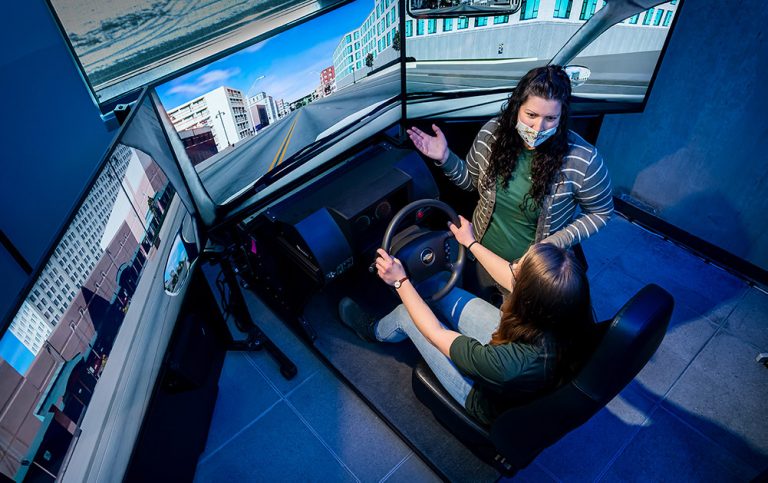
Systems Engineering, one of the fastest growing graduate programs at CSU, will hire a non-tenure track faculty member from industry to work at Spur to leverage partnership opportunities and assist with K-12 outreach activities.
Industry partners include the aerospace industry, the National Renewable Energy Laboratory, engineering consulting firms, and Colorado’s federal workforce, which is largely located in the Denver area. As the world grows increasingly complex, systems engineers work to integrate individual systems and bridge across multiple disciplines such as mechanical and electrical engineering.
- Education
ENcourage Summer Math Program
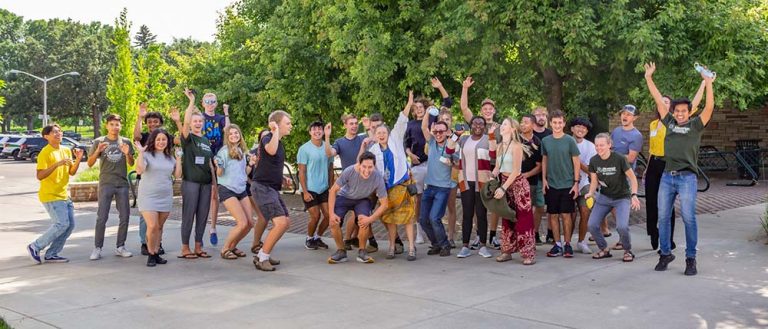
The college will host a one-week intensive summer day camp for incoming CSU engineering students to bolster their math skills. The aim is to help students place into the calculus sequence at the start of their first year in August.
Data show students are more likely to persist to graduation if they complete calculus in their first year, particularly for historically underserved students.
The program can be used by incoming engineering students as a review of material, or as a kick-start to digging into the CSU pre-calculus program over the summer.
- Education
- Outreach
- Research
Biomanufacturing Education, Outreach, and Entrepreneurship
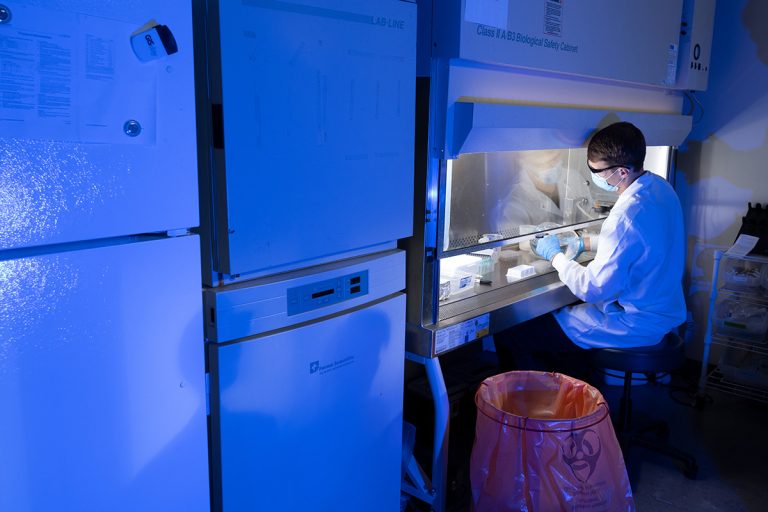
The Department of Chemical and Biological Engineering will create a Biomanufacturing and Biotechnology Laboratory in the Hydro building for hands-on courses in bioprocessing.
The lab is associated with a Professional Science Master’s degree program that trains a workforce for industries that provide environmentally sustainable solutions for energy and food production – such as biofuels – and for the biopharmaceutical industry. The lab and staff will also be available for outreach programs, and the facility can be used for research and to support entrepreneurs.
Faculty lead: Matt Kipper, Associate Dean for Graduate Studies and Professor of Chemical and Biological Engineering
- Education
- Outreach
- Research
Colorado Climate Center
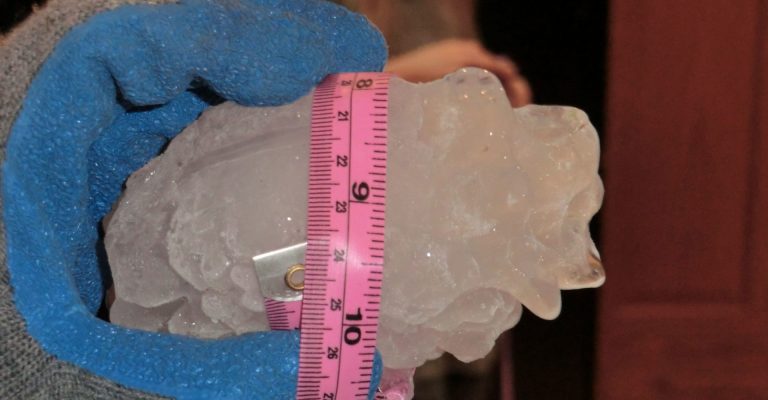
The Colorado Climate Center, based in one of the top Atmospheric Science departments in the country, will install a CoAgMET (COlorado AGricultural Meteorological nETwork) weather station on the Spur campus, and create other opportunities for the public to engage with climate and weather data.
The center also plans opportunities for K-12 students that address Colorado’s climate and its relationship to water and agriculture.
The team will use Spur as a place to partner with CSU’s Agricultural Experiment Stations and County Extension Offices, focused on learning the needs for climate-related data and information.
- Education
- Outreach
- Research
Spur Food-Energy-Water Systems Center
This new center at Spur has been created out of the existing Interdisciplinary Training, Education and Research in Food-Energy-Water Systems program (InTERFEWS) on the CSU Fort Collins campus.
The program brings together graduate students and industry leaders in various disciplines to research key problems involving the intersection food, water and energy. The new center will, among other things:
- Connect academic, industry and community expertise to facilitate research and innovation
- Serve as an incubator for new research projects
- Develop interactive displays and workshops for K-12 students to learn about food-water-energy issues that impact Colorado.
- Engage the surrounding communities through educational workshops for the public that includes urban agriculture programming in the Terra building.
Faculty lead: Sybil Sharvelle, Professor of Civil and Environmental Engineering
- Research
Water TAP (Technology Acceleration Platform)
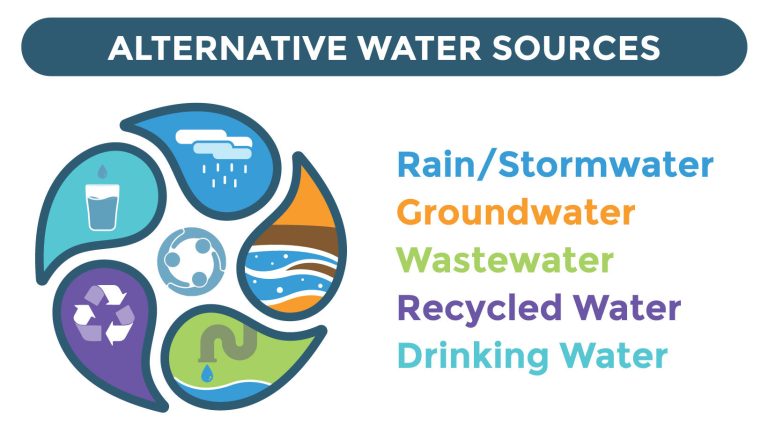
The program will create a physical platform that enables the development, testing, and validation of commercially viable water treatment technologies. The laboratory will allow researchers and industry partners to treat alternative water sources such as reclaimed water from wastewater treatment facilities, greywater, stormwater, and roof runoff.
The program is designed to facilitate commercialization of technology through one-of-a-kind access to a diverse set of alternative water sources.
Faculty leads: Sybil Sharvelle and Mazdak Arabi, Professors of Civil and Environmental Engineering
- Research
SmartWater Software Solutions
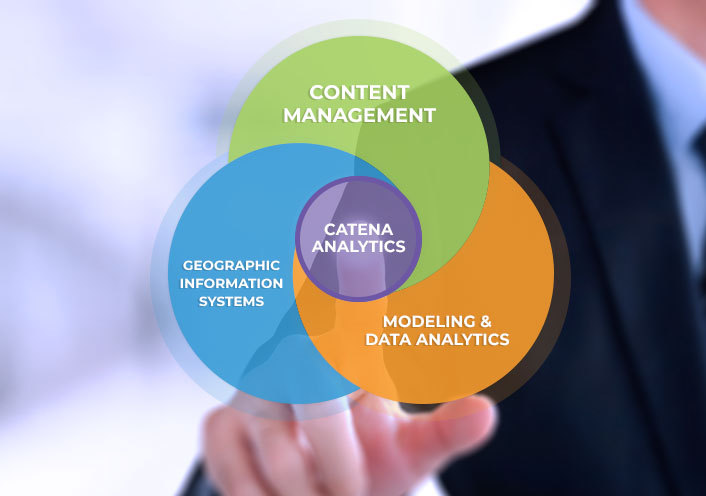
This program would expand Catena Analytics – the software and technology development arm of the CSU One Water Solutions Institute – to provide software solutions for planning, management, and real-time control over water and environmental systems.
In collaboration with partners such as local, state, and federal agencies, the team will build a robust water analytics computing platform that enables efficient and reliable allocation of water, food, energy, and land resources.
Faculty/Program leads: Mazdak Arabi, Professor of Civil and Environmental Engineering; Olaf David, Research Scientist, Department of Civil and Environmental Engineering
- Education
- Outreach
- Research
Urban Systems for Hydro Education and Research
Researchers in Civil and Environmental Engineering will work with the Colorado Water Center to develop the next generation of state and regional water leaders. The program will recruit graduate students to help Denver-based undergraduate students of color to:
- Learn about available water and environment career pathways.
- Obtain networking and mentoring focused on STEM careers.
- Experience professional development with a focus on water and STEM
- Conduct hands-on research by contributing to water sampling campaigns in urban streamflow programs.