
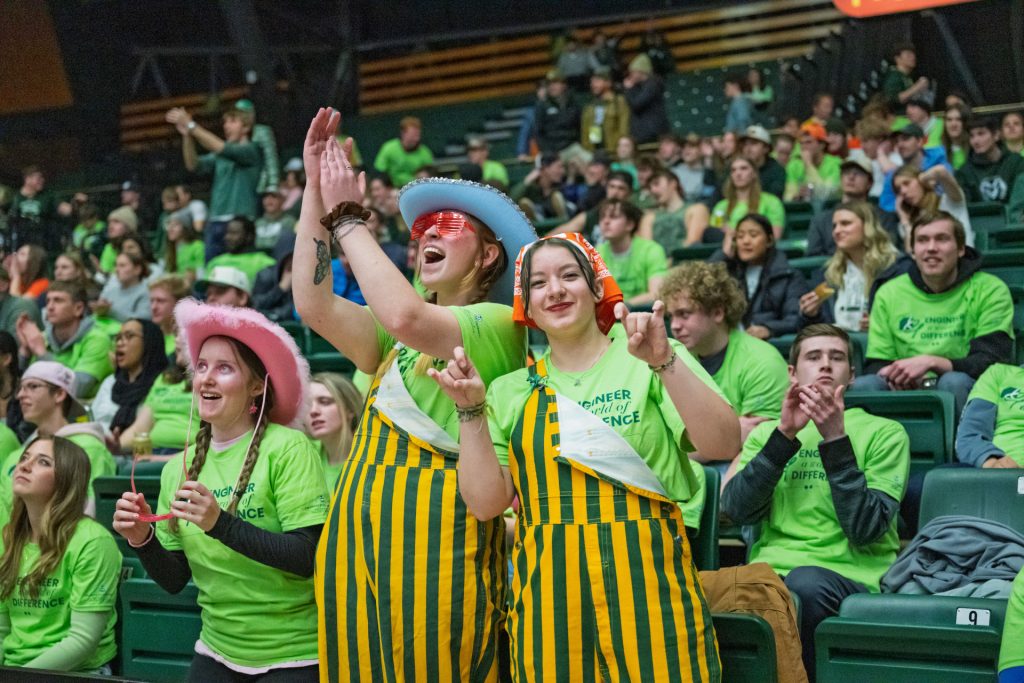
The Walter Scott, Jr. College of Engineering is using its classrooms and laboratories to educate the next generation of innovators, entrepreneurs, and corporate and civic leaders.
Degrees Conferred 2024-25
550
Bachelor of Science
154
Masters
Mission, Vision and Values
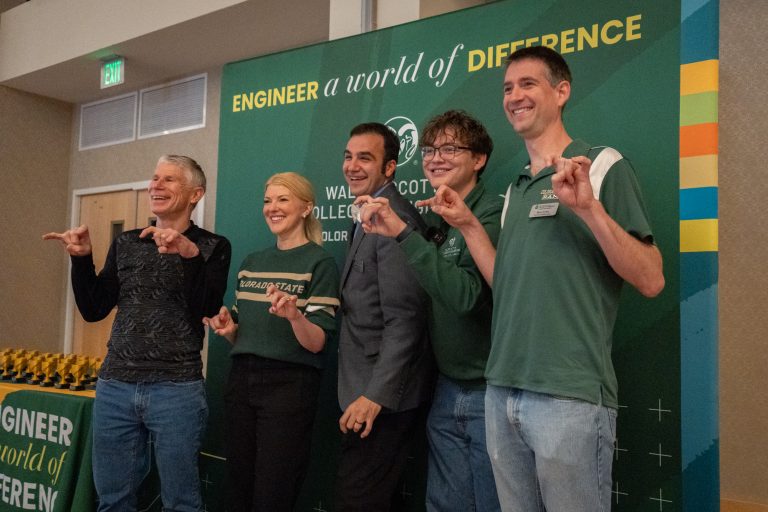
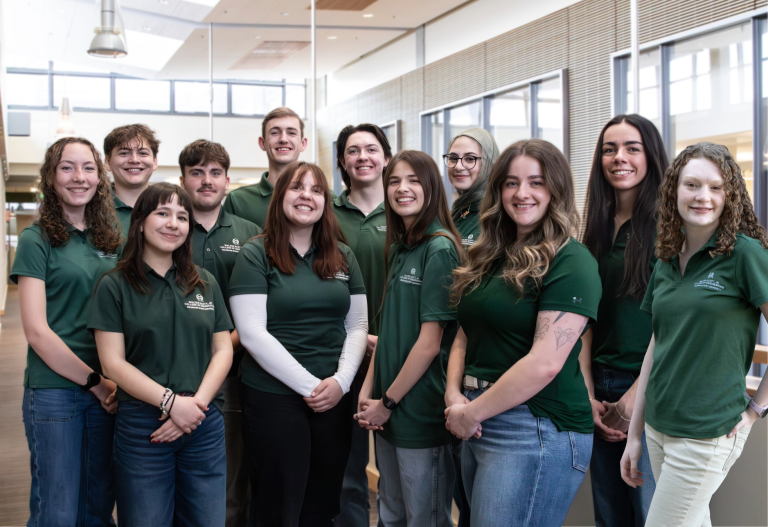
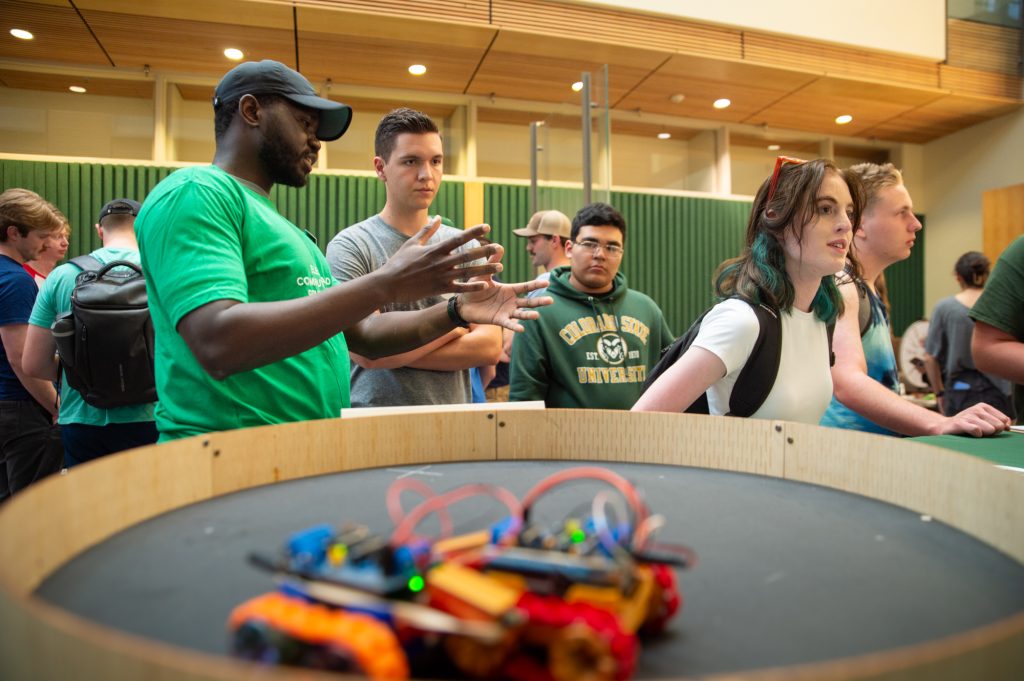
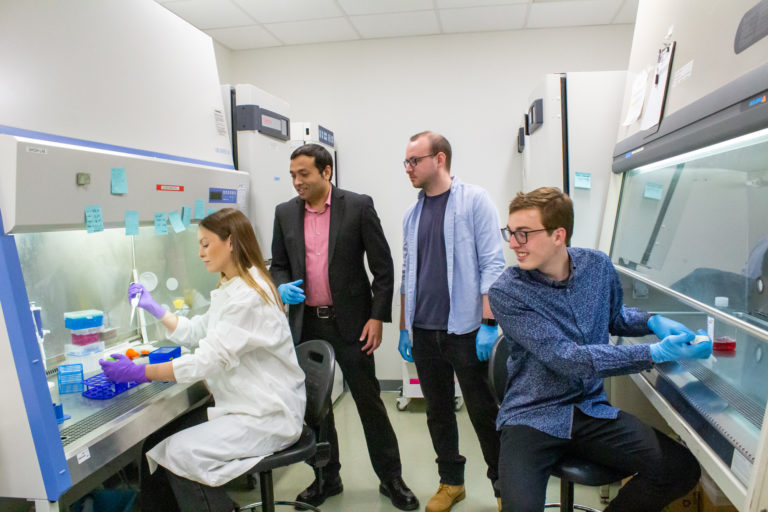
The goal of the College is to serve society by educating students, solving problems of global importance, and contributing to national and international economic development. We have set our goals high and our vision is clear: to create a better world for future generations.
Mission
Educate, innovate, cultivate and engage in order to generate new knowledge, improve quality of life, and positively impact society.
Vision
We will significantly benefit our region, nation and the world by engaging the global water, health, energy and environmental challenges of the day through leadership in the practices of engineering research, education, innovation and engagement.
Values
- Excellence
- Inclusiveness
- Collaboration and Respect
- Creativity and Innovation
- Passion
- Integrity
- Transparency and Accountability
Download the College’s 2026 Strategic Plan
The College’s 2026 Strategic Plan details our mission, vision, and values, and presents strategic initiatives that advance our highest priorities and create value for our students and faculty, CSU, Colorado, and beyond.
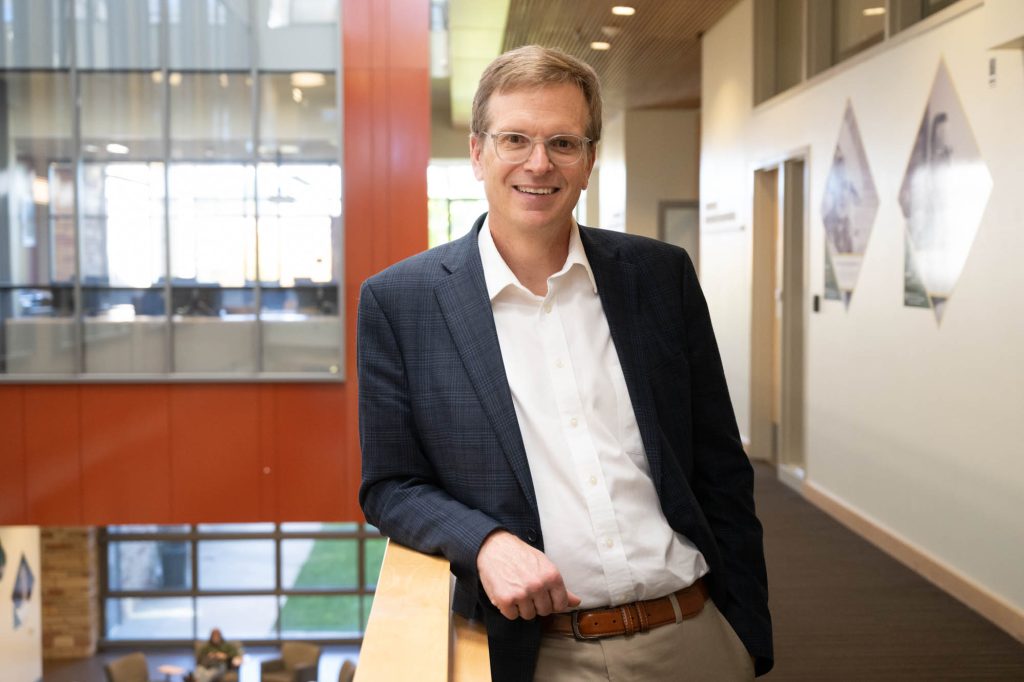
Allen Robinson
Dean of the Walter Scott, Jr. College of Engineering
Allen Robinson is the dean of the Walter Scott, Jr. College of Engineering and a professor with joint appointments in the Departments of Atmospheric Science and Mechanical Engineering. He became the dean of the college in 2023 after serving as the director of Carnegie Mellon University’s campus (CMU-Africa) in Kigali, Rwanda.
Robinson’s research examines technical and policy issues related to the impact of emissions from energy systems on air quality, climate and public health with an eye toward policy analysis and decision making. In addition to heading CMU-Africa, Robinson recently served as director of the Environmental Protection Agency-funded Center for Air, Climate, and Energy Solutions, which involves researchers and students at seven universities and a national lab.
He is also a past president of the American Association for Aerosol Research.
Don and Susie Law
Engineering Future Technologies Building
The Don and Susie Law Engineering Future Technologies Building will be a major new academic building at the heart of campus. It will fuse engineering, computer science, and artificial intelligence to create an innovative, hands-on learning environment and accelerate technology discoveries.
It will be a 165,000 square foot facility, built on the site of the existing Glover building. It will dynamically enhance student learning and drive collaborative research opportunities with other disciplines across campus. Read the announcement in Source News.
Over 150 years of engineering history
The 1870 Morrill Act that created land-grant colleges specified that both “agricultural and mechanic arts” be taught.
What is now known as the Walter Scott, Jr. College of Engineering carries on that mission in the 21st century, its legacy expanding from weather and agricultural innovations into groundbreaking research on satellites, robotics and lasers, and machines that can learn on their own.
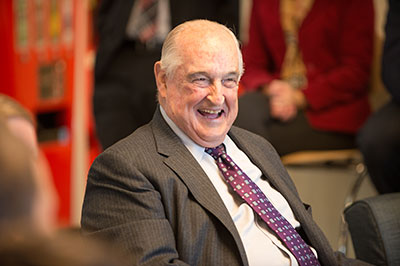
Colorado State University engineering alumnus Walter Scott, Jr.'s historical giving to CSU through his foundation totals $64.2 million.
Introducing ATLAS
CSU's powerful new laser facility
The Advanced Technology Lasers for Applications and Science (ATLAS) facility at Colorado State University will help solve one of the most urgent technological challenges of our time: creating abundant, affordable, and clean energy through laser-driven nuclear fusion.
Opening in 2027, ATLAS will feature three of the most advanced, high-repetition, multi-petawatt lasers in the world—enabling experiments at extreme energy densities—while modular experimental stations allow for rapid adaptation to different research and application needs.
Fall 2025
Facts and Figures
Overall Students
Total Students
3,984
Undergraduate students
2,813
Graduate students
1,171
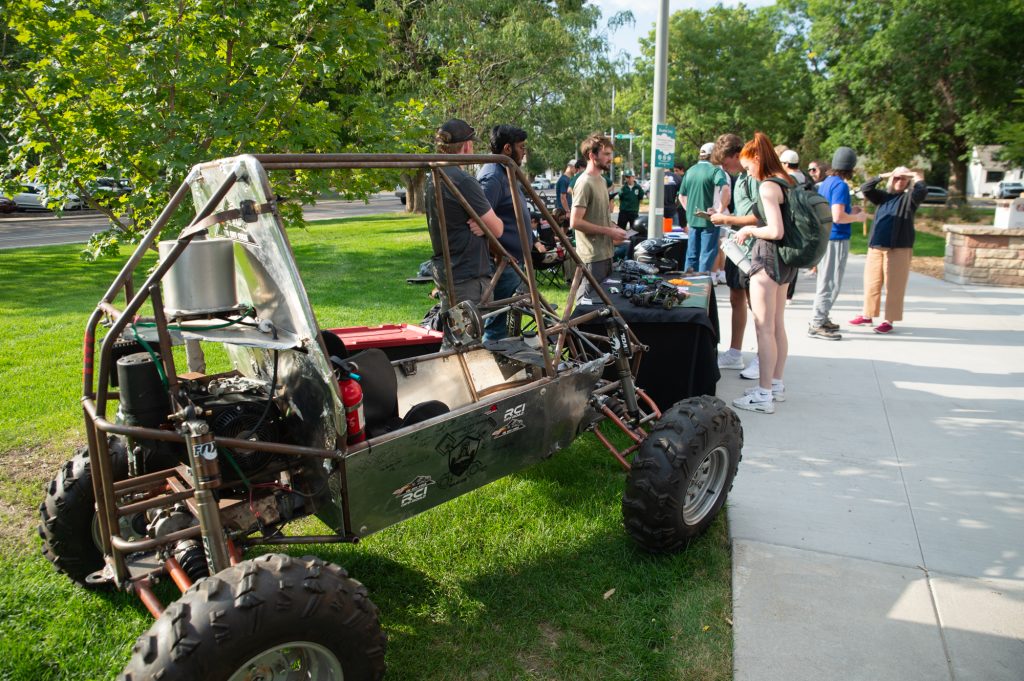
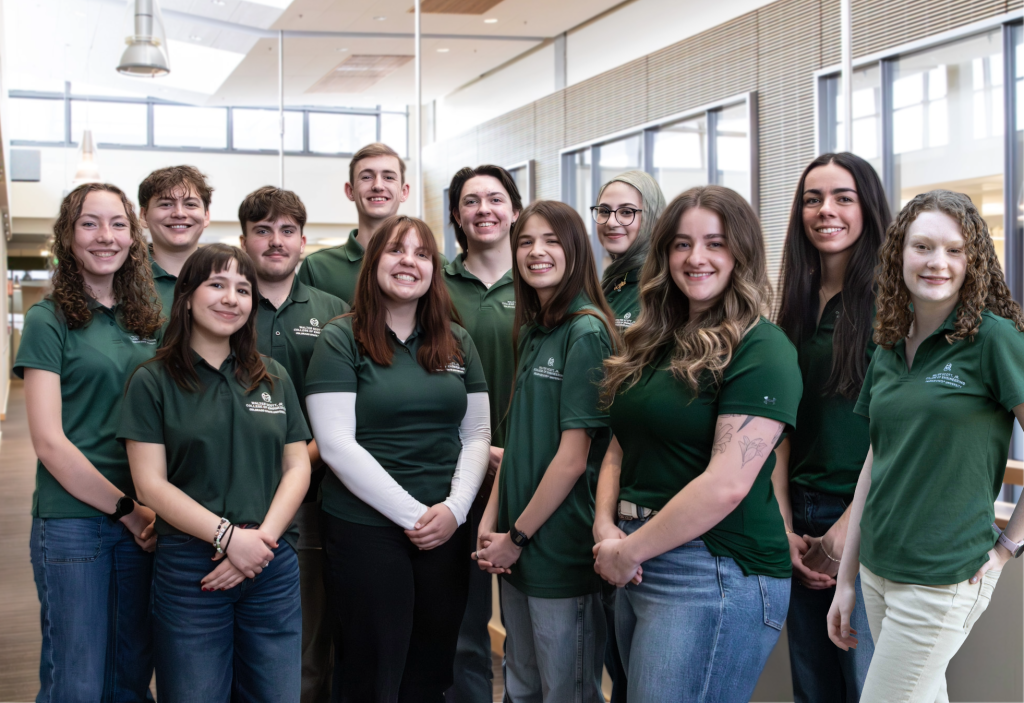
Undergraduate Demographics
26.6%
Historically under-represented
26.6%
Women
31.9%
Out-of-state
Graduate Demographics
Historically under-represented, Masters
21.8%
Historically under-represented, Ph.D.
19.2%
Women
28.5%
International
23.2%
Note: Graduate historically underrepresented statistics for degrees conferred do not include international students.

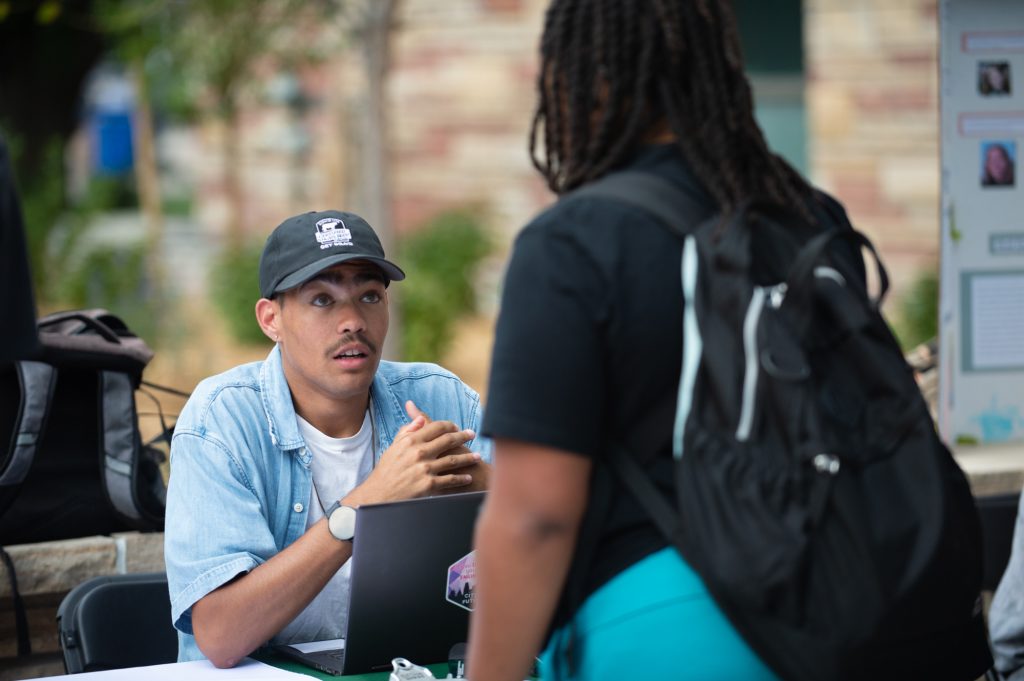
Fall 2025 New Student Profile
4.0
Average high school GPA
724
Entering first-year students
22%
First generation
• • •
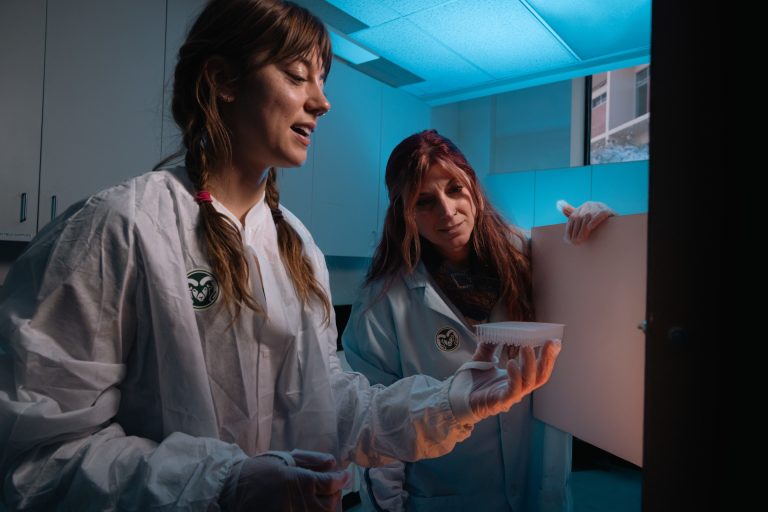

Faculty and honors
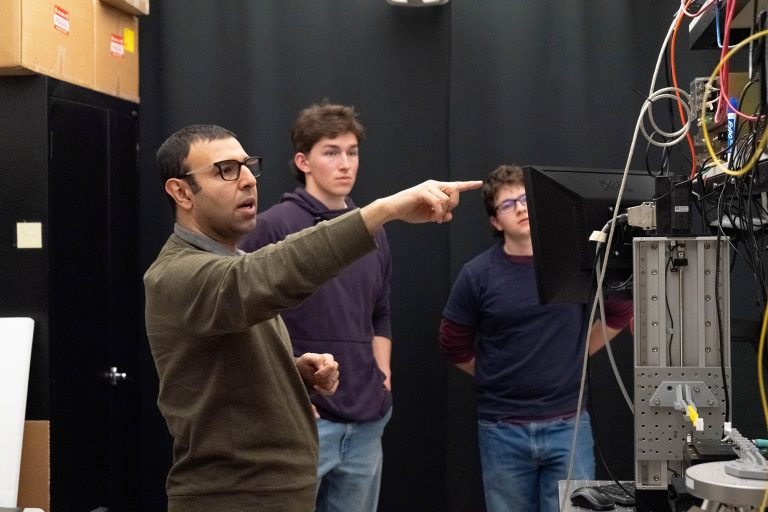
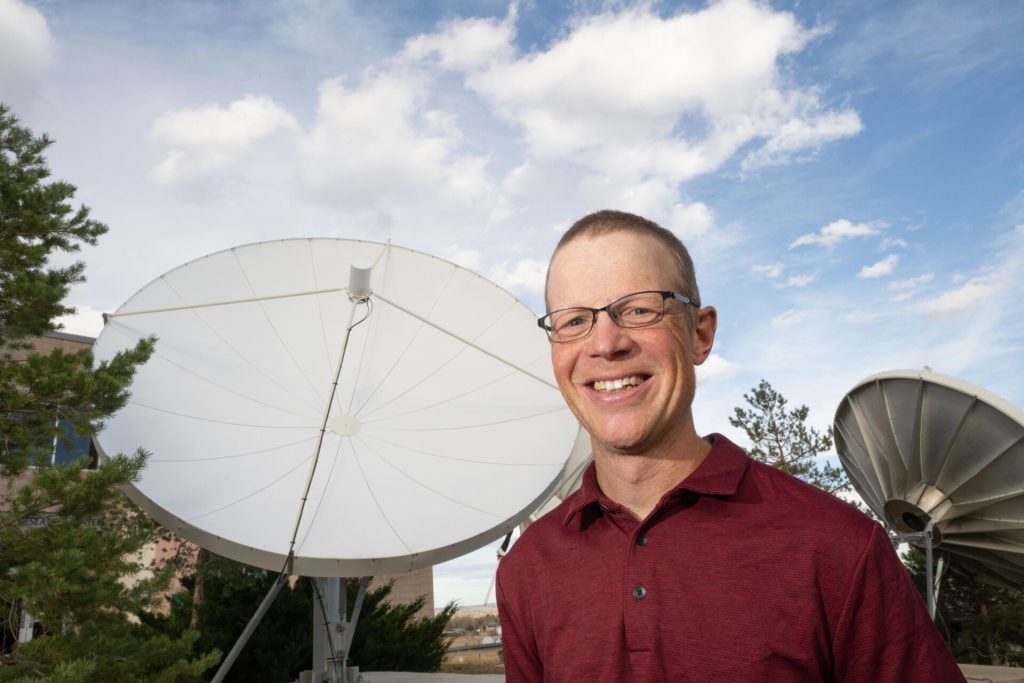
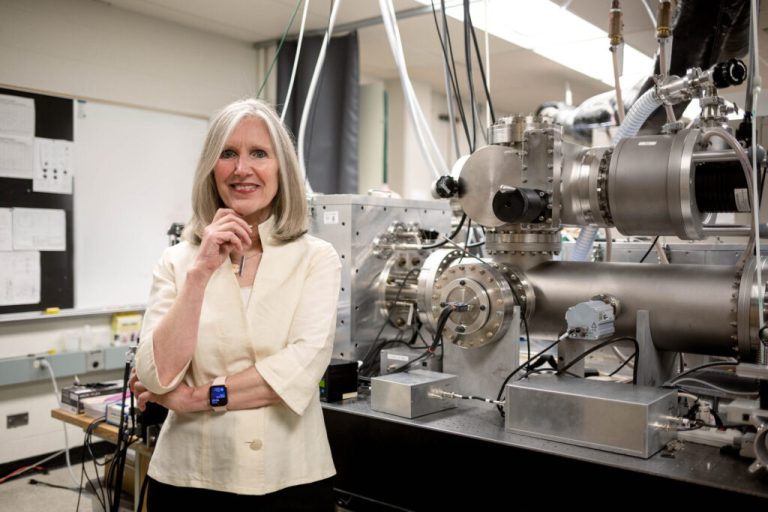
The college has a long history of respected faculty, recognized globally for their teaching and research. Read more about their efforts on our Research page.
175
Faculty
70
Professors
32
Associate professors
19
Assistant professors
44
Teaching
10
Research


• • •
Institutional Research, Planning and Effectiveness
Institutional Research, Planning and Effectiveness is a service office for the University community. It is our mission to support strategic planning activities and continuous quality improvement at the institution.