Mechanical Engineering in Health and Environmental Research
Research Focus Area
Engineering Solutions for Health and Well-Being
Discovering solutions to enhance health, promote healing, and improve environmental well-being.
Innovative Mechanical Engineering for Health and Environment
The Department of Mechanical Engineering at Colorado State University is improving human and animal health through innovative research in orthopedics, mechanobiology, and environmental health. Our faculty develop advanced biomaterials, like 3-D printed scaffolds and engineered implant surfaces, to help tissues heal and regenerate. We study how mechanical forces affect cell behavior and aging to better understand health and disease.
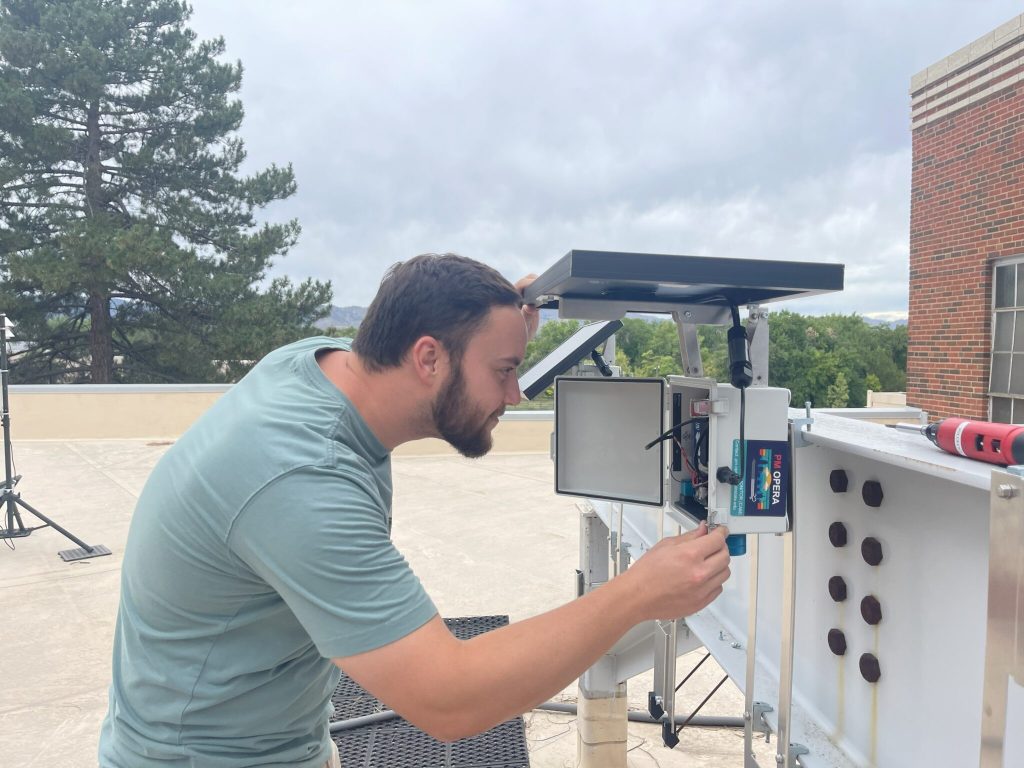
To create healthier environments, we design tools to monitor air pollution and develop wearable sensors for indoor and outdoor spaces. Through cutting-edge research, we are driving solutions that enhance health and well-being locally and globally.
Orthopedics
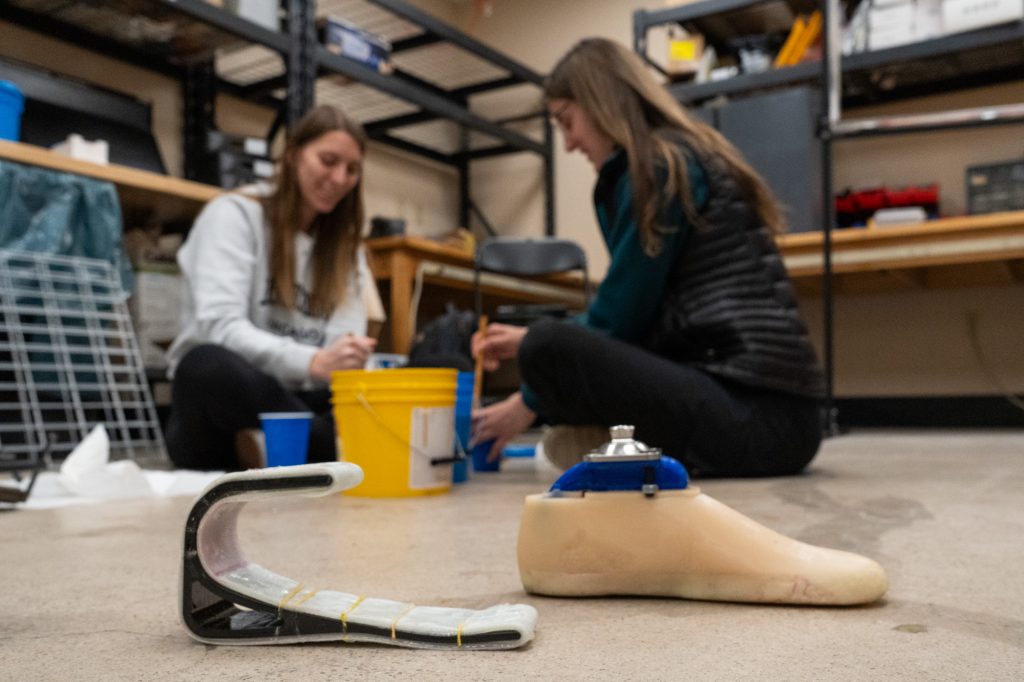
Our faculty develop advanced computational and experimental models to understand how musculoskeletal tissues respond to injury, loading, and repair.
We design new biomaterials and surgical technologies to improve bone healing, tendon repair, and implant performance.
We are collaborating with veterinary and clinical partners to translate our discoveries from the lab to real-world orthopedic applications.
Immunoengineering
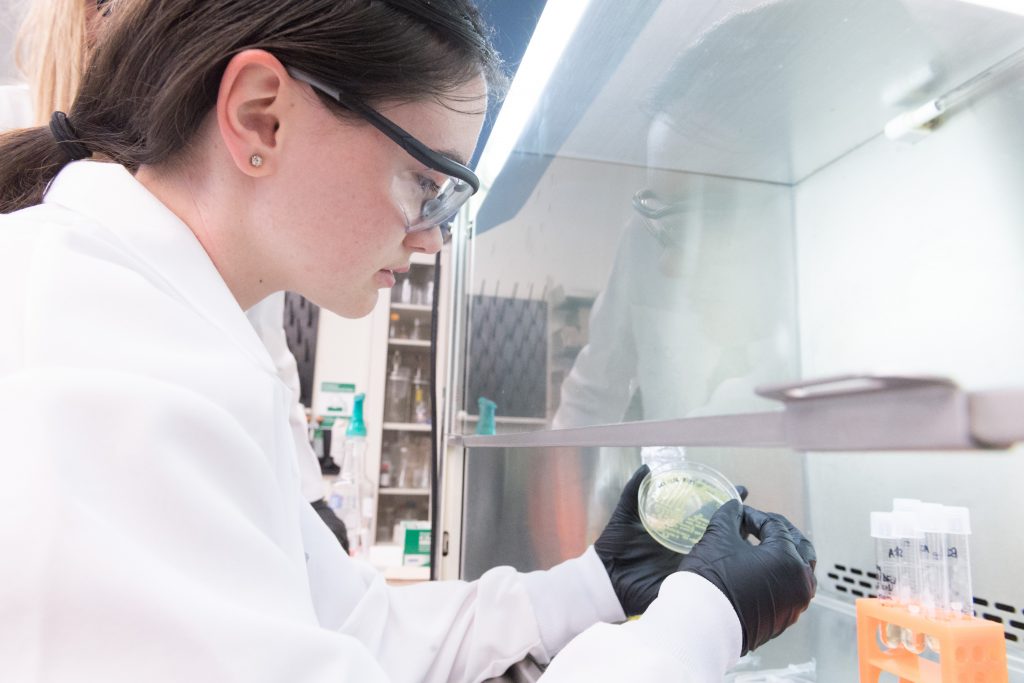
We combined engineering principles with immunology to develop new technologies for understanding and controlling the immune system
We apply engineering tools to modulate immune responses for treating diseases like cancer, autoimmune disorders, and infectious diseases, as well as for promoting tissue regeneration and healing.
We build strong collaborative teams with scientists and clinicians across CSU, including the Departments of Clinical Sciences and Microbiology, Immunology, & Pathology
Mechanobiology
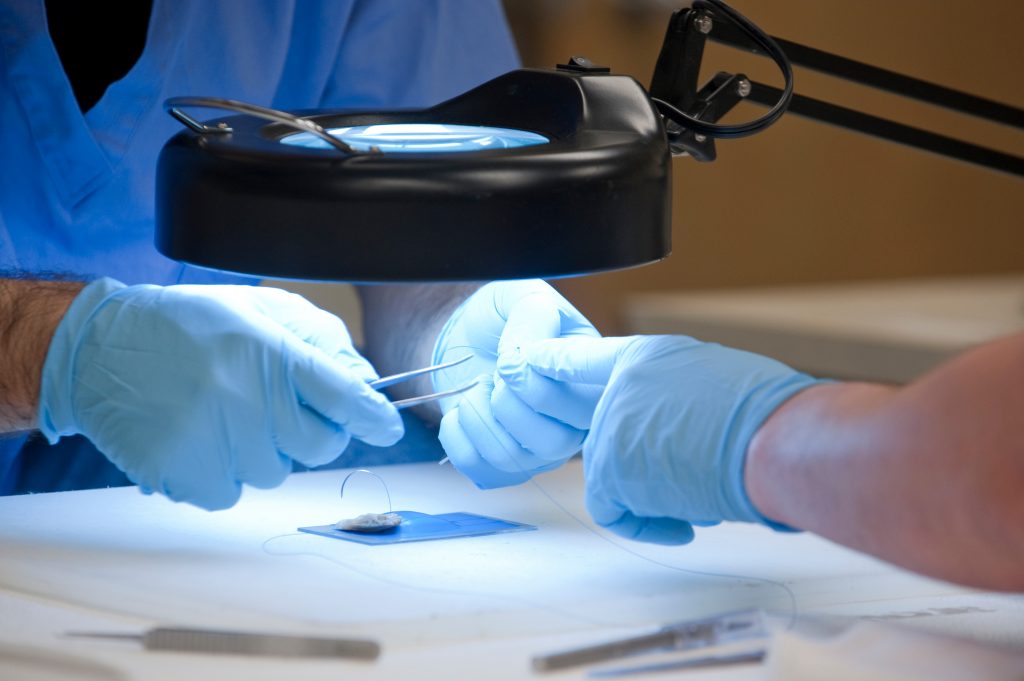
We integrate principles of mechanics and biophysics at multiple scales—cell, tissue, nucleus—to uncover how aging and stress influence cell behavior and regeneration.
Our faculty develop cutting-edge techniques to probe how cells detect and respond to mechanical forces.
We are translating mechanobiological insights into regenerative strategies by combining imaging, modeling, and cell/tissue engineering to treat degenerative and musculoskeletal disorders.
Air Quality
Air pollution is the #1 environmental cause of disease and death on the planet; promoting healthy air and environmental sustainability is a grand engineering challenge that we fill face in the decades ahead.
Our faculty blend engineering, mechanical design, and data science to better understand the emissions, fate, transport, and effects of air quality at the individual, home, community, and national level.
We blend sensor design, data science, systems modeling, and community engagement to promote public and planetary health/