
Electrical and Computer Engineering Walter Scott, Jr. College of Engineering
ECE boasts the world’s top researchers in electromagnetics and remote sensing. From developing small, experimental, low-cost cube satellites to using radars to better understand water woes in the West, our work is driving new innovations and improving lives.
ECE Professors V. Chandrasekar and Steven Reising are key partners in a CSU-led effort to study storms and extreme weather from space using a trio of small satellites. The project aims to understand why, when, and where tropical convective storms form and why only some storms produce extreme weather.
Professor
Radar Systems and Networking, Radar Meteorology, RF Communication Systems, Signal Processing.
Associate Professor
Big Data and Machine Learning, Radar and Satellite Hydrometeorology, Remote Sensing of Natural Disasters, Cloud/Precipitation Observations and Processes.
Research Professor
Applying data science methods, primarily machine learning and causal discovery, for applications in weather and climate.
Professor
Computational Electromagnetics, Higher Order CEM, Wide Range of CEM Methods and Implementations, Adaptive Refinement and Uncertainty Quantification, Applied EM at All Frequencies, In-Situ and Remote Sensing of Precipitation, MRI-RF Antennas/Coils, Biomedical EM/Antennas/Systems, EM Education.
Professor
Microwave Remote Sensing of the Earth’s Atmosphere and Oceans, Earth Science Measurements from Nanosatellites and CubeSats, Radiometer and Radar Systems from GHz to THz Frequencies, Low-Noise Monolithic Microwave IC Design and Packaging.
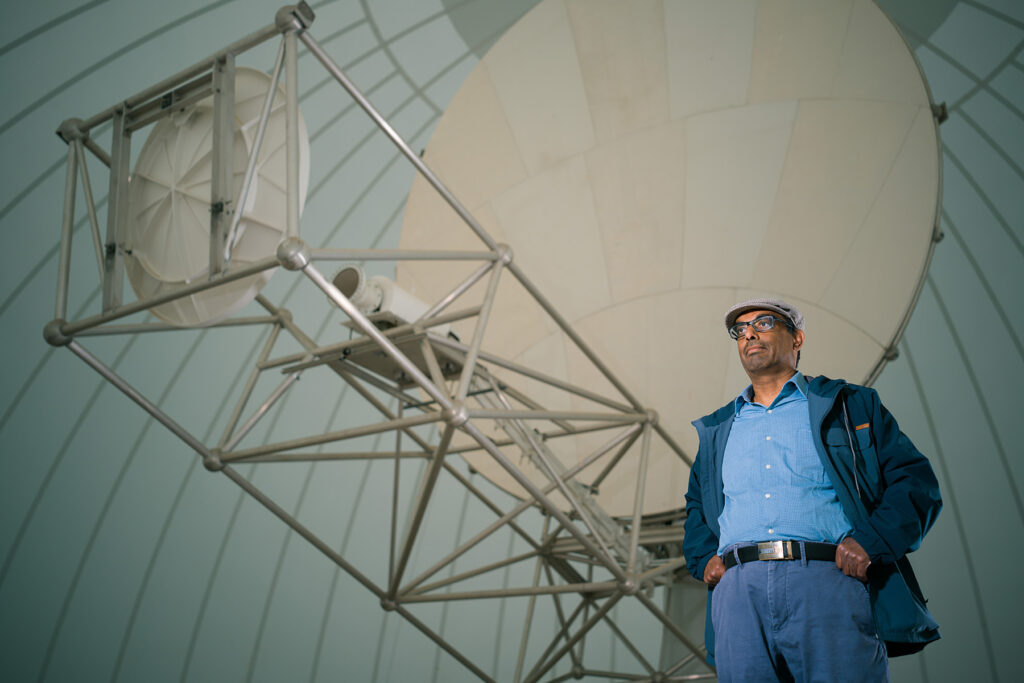
The University Distinguished Professor is a pioneer in remote sensing – the science of using instruments such as radars and satellites to collect data from a distance.
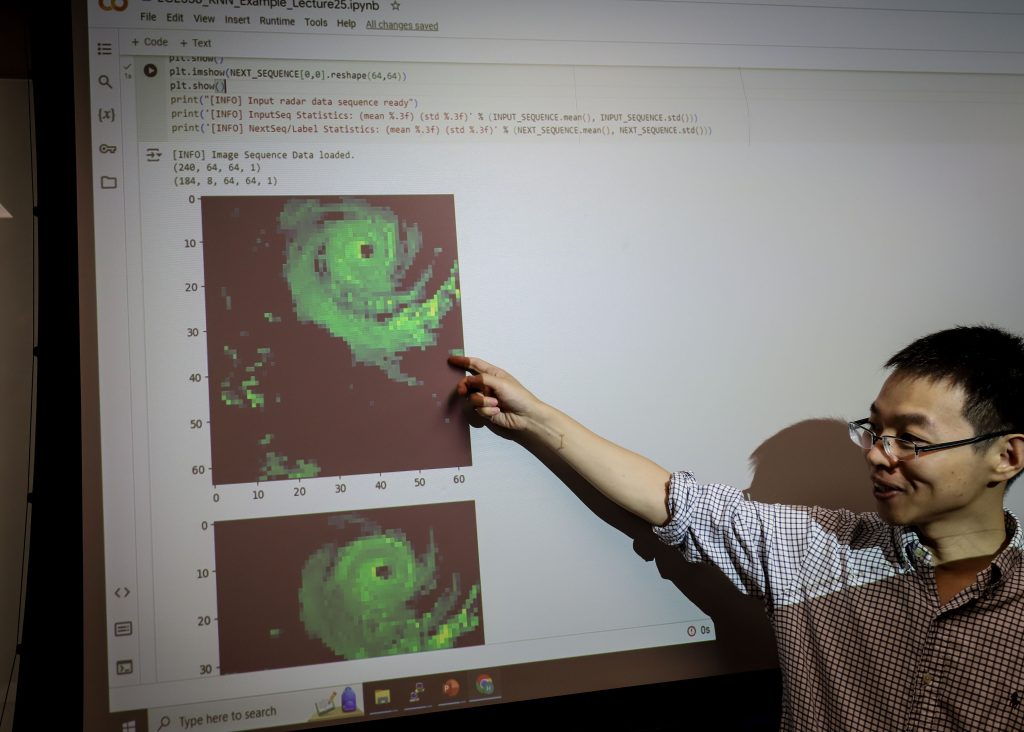
He has gained recognition for work that leverages AI to study the water cycle and improve weather prediction.
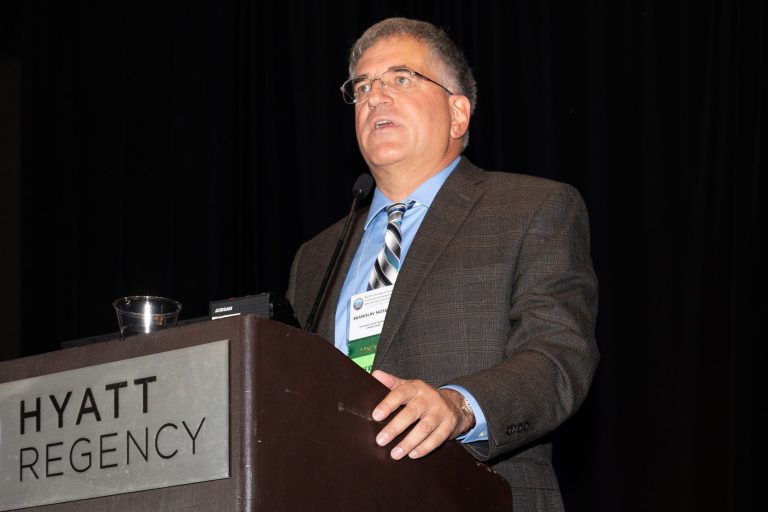
Prof. Branislav Notaros served as president of the Institute of Electrical and Electronics Engineers Antennas and Propagation Society.