WEES Seminar Fall 2025:
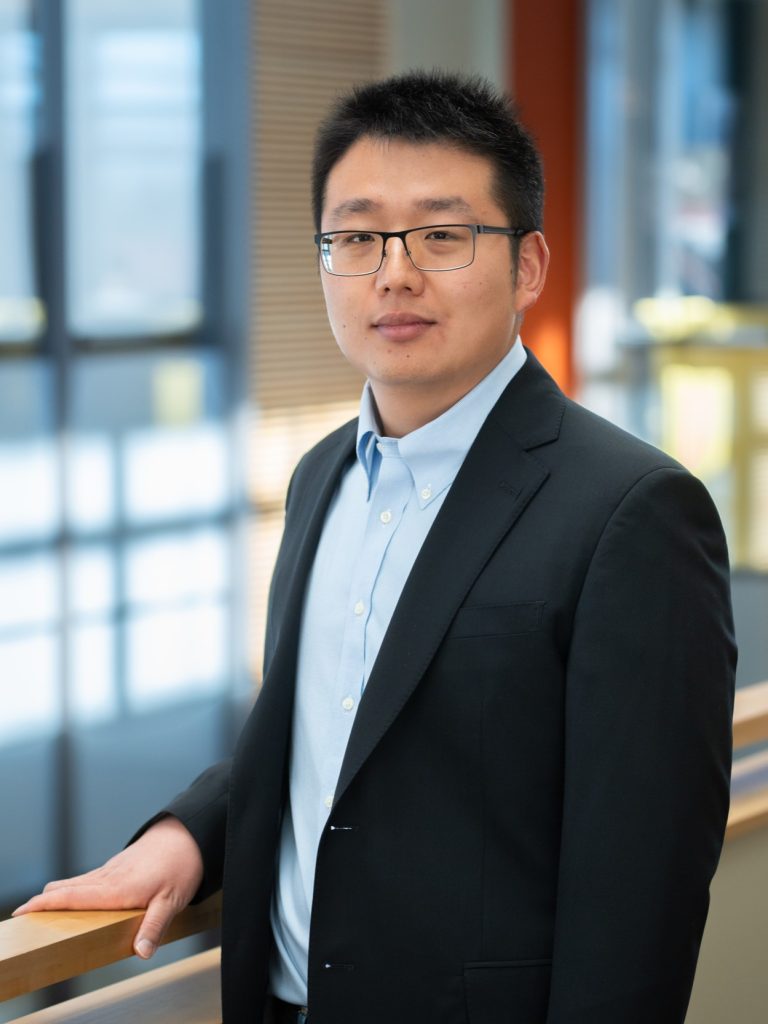
Yanghua Duan
Yanghua Duan

Water scarcity is intensifying worldwide, driven not only by growing demand but also by compounding stresses from pollution, climate change, and deteriorating infrastructure. Diversifying water supplies by treating non-traditional sources offers a promising path to enhance sustainability and resilience in the water sector. However, conventional treatment methods are often infeasible because they depend on centralized infrastructure and rely on chemical- and energy-intensive processes that are unsustainable in under-resourced or remote communities. Addressing this challenge requires a new generation of treatment technologies—systems that are modular, electrified, autonomous, and resilient, capable of adapting to diverse and evolving treatment needs.
In this talk, Yanghua will present his recent research on advancing innovative technologies for distributed water treatment. His work integrates electrochemistry and membrane science through both experimental and theoretical approaches. Using electrochemistry, he has developed electrodes capable of locally generating chemical reagents, enabling reactive species production for contaminant transformation even in remote settings. In parallel, by incorporating catalytic chemistry into membranes, he has created reactive nanofiltration membranes that remove salts and degrade contaminants in a single step. Together, these advances outline a roadmap for emerging technologies that enable efficient, selective, and sustainable water treatment to meet global challenges.