Undergraduate Programs

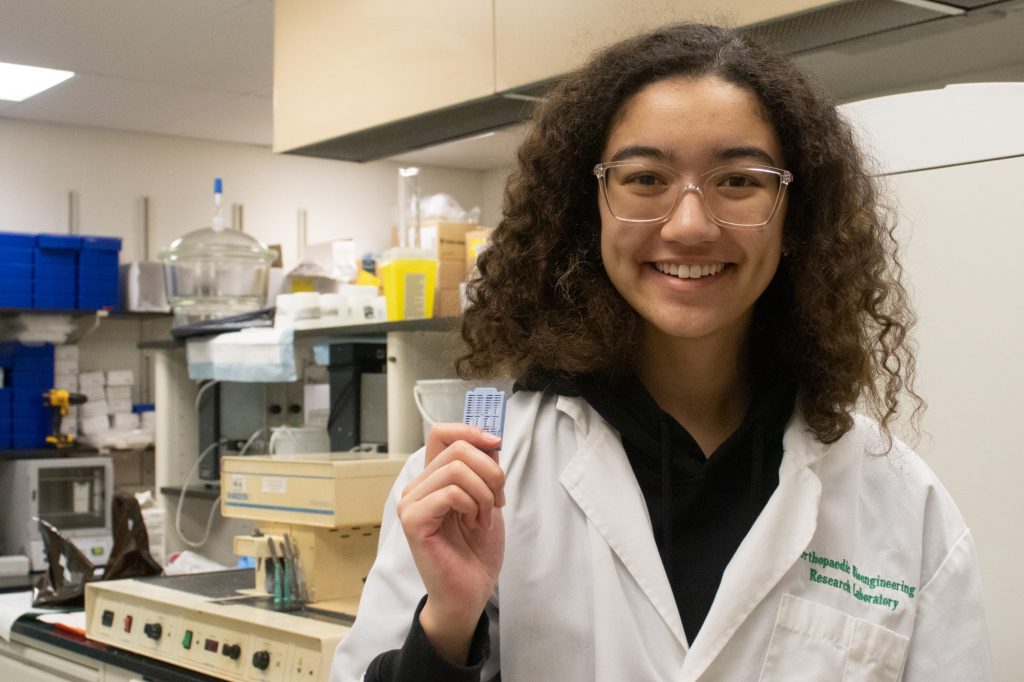
A student holds up a vial in a lab.

Biomedical Engineering dual degree with

Mechanical engineering

Our BME+MECH graduates are prepared to help design medical devices and equipment that support movement in the body – e.g. prosthetics, exercise equipment for astronauts, bone scaffolding, exoskeletons or next-gen diagnostic and therapeutic surgical tools – as well as work with biomaterials or other elements that support improved health.
Potential Occupations

The BME+MECH pathway will enable you to design medical devices and equipment (e.g., pacemakers, assistive devices, artificial internal organs, replacement body parts, surgical tools, exercise equipment for astronauts)

Job Outlook

According to the Bureau of Labor Statistics, employment of biomedical engineers is projected to grow 6% from 2020 to 2030, about as fast as the average of all occupations. Employment of mechanical engineers is projected to grow 7% from 2020 to 2030.

However, because mechanical engineers can work in many industries, the growth rate will differ depending on the industry that employ them.

Major-specific

Skills and Abilities

In addition to the important qualities required of a biomedical engineer (creativity as well as analytical, communication, math, and problem-solving skills), mechanical engineers need:

Listening skills

Listening skills are imperative to understand and analyze different ideas or approaches from other members of a team, such as architects and computer scientists.

Mechanical skills

A mechanical engineer must be comfortable operating equipment and tools. They are adept at fixing things and intuitively see how things work. They apply basic engineering concepts and mechanical processes to the design of new devices and systems.

Curriculum

Our bachelor’s degree in Biomedical Engineering (BME) combined with a mechanical engineering (MECH) degree draws students interested in applying mechanical engineering principles to biological systems. Our graduates are prepared to design and enhance devices such as prosthetic limbs, exercise equipment, or exoskeletons that work outside the body to enhance functionality of the body externally; or work with orthopaedic implants or biocompatible materials that work inside the body to enhance or replace bone or soft tissues. The BME+CBE pathway at CSU provides students with two bachelor’s degrees within 5 years.

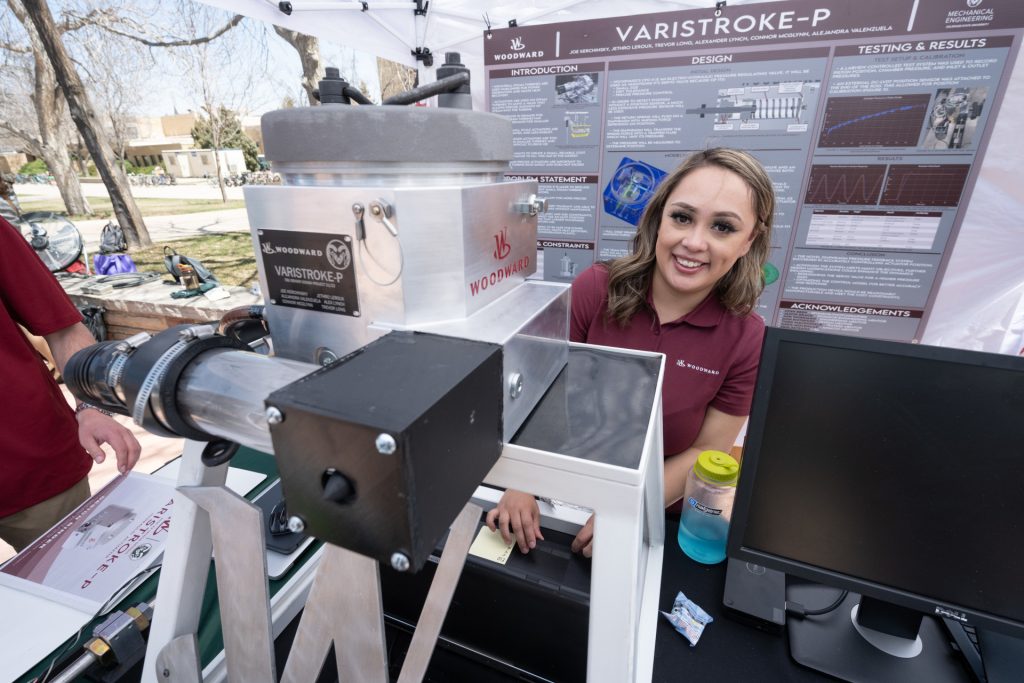
A student stands behind a table with experiments outside at the E-Days event.

Questions about our majors?

We're ready to help!

Do you have a question that’s not featured on our website? Undergraduate Advisors Chase Jackson and Claire Lavelle are happy to help! Email your questions to either advisor below.