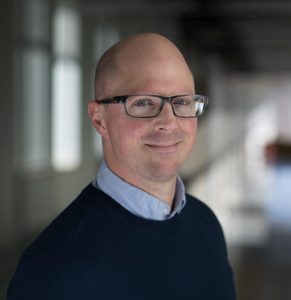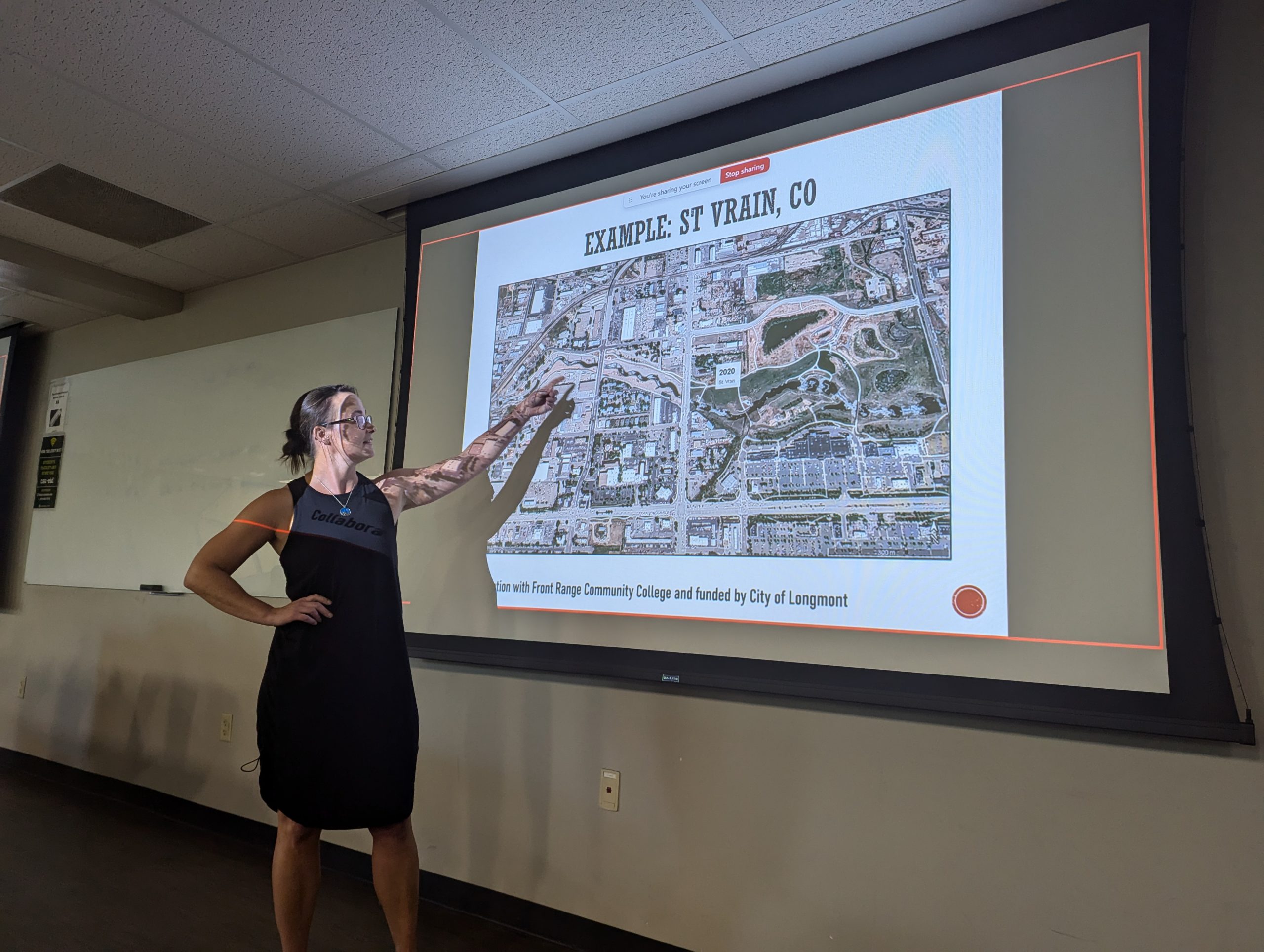
Dr. Scalia is a geoenvironmental engineer and Associate Professor of Civil & Environmental Engineering at Colorado State University (CSU), and the CSU Site Director for the Tailings Center. He is also the co-chair of Tailings and Mine Waste 2026 in Denver, Colorado. His research focuses on applied and translational research in the areas of tailings and mine waste, groundwater stewardship, and unsaturated soils. He is an associate editor for the Journal of Geotechnical & Geoenvironmental Engineering and Geotextiles & Geomembranes, as well as an editorial board member of Canadian Geotechnical Journal and Geosynthetics International. Prior to joining CSU, Dr. Scalia was a Senior Associate in the Environmental and Earth Sciences Practice at Exponent in Seattle and Boston.
Dr. Zhi Li is an Assistant Professor at the University of Colorado Boulder’s Institute of Arctic and Alpine Research (INSTAAR) and Civil, Environmental, and Architectural Engineering department. He leads the Flood Lab, where his research advances scientific understanding and practical adaptation strategies for floods through remote sensing, hydrologic-hydraulic modeling, and artificial intelligence.
Dr. Li earned his Ph.D. in Hydrology and Water Security from the University of Oklahoma (2022), M.S. from the National University of Singapore and Delft University of Technology (2019). He served as a Stanford Doerr School of Sustainability Dean’s Postdoctoral Fellow from 2023-2025.
His research examines flood impacts through the FACED framework (Flood-Agriculture-Climate-Ecology-Disease), addressing critical questions about climate change effects on flood frequency, severity, and societal impacts. Notable work includes pioneering studies on flash flood metrics, documenting how severe floods reduce global rice yields, and developing the AQUAH system—the first end-to-end language-based agent for hydrology. He has published over 40 peer-reviewed articles and serves as Associate Editor for the Journal of Applied Meteorology and Climatology. His work emphasizes climate justice, particularly for tribal communities and vulnerable populations.
Dr. Sybil Sharvelle is a Professor in the Department of Civil and Environmental Engineering and is a member of the Environmental Engineering focus area. Her research interests include water reuse, integrated urban water management, and waste conversion to energy. Her doctoral work included development of a system for treatment of graywater for potable reuse during space missions. This project led to her current interest in fit-for-purpose water systems, in which she has led projects funded by the Water Research Foundation, USEPA and National Science Foundation. Dr. Sharvelle was a member of the National Research Council Committee for Beneficial Use of Graywater and Stormwater and chaired the NWRI panel for Decentralized Non-Potable Water Systems.
Sharvelle is a founding member of the One Water Solutions Institute (OWSI) at Colorado State University and is the Technical Director of the CSU Spur Campus Water Technology Accelerator Platform, a cutting-edge facility for testing water treatment technologies on different water sources to study the best ways we can clean and reuse water.
Strategic Focus Areas:
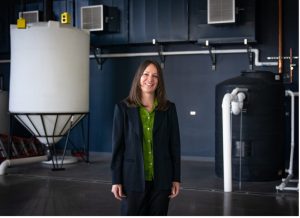
Dr. Sarah Suehnholz is an environmental chemist specializing in the fate, degradation, and remediation of per- and polyfluoroalkyl substances (PFAS). She completed her PhD in chemistry in Germany, where her research focused primarily on PFAS destruction and treatment technologies. Her work investigated degradation pathways, adsorption processes, and the transformation behavior of PFAS under engineered treatment conditions, providing mechanistic insight into PFAS breakdown and by-product formation.
Building on this foundation, her current research as a Post-Doc at Colorado School of Mines places a stronger emphasis on advanced analytical chemistry and environmental forensics. She develops and applies targeted and non-target mass spectrometric workflows to characterize PFAS occurrence, transformation products, and treatment performance in laboratory and field systems. Her work integrates high-resolution analytics with applied remediation strategies, including adsorption-based barriers and in-situ treatment approaches, bridging destructive technologies with real-world field implementation.
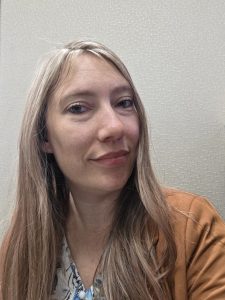
Bryan Heiner
Bryan joined Barr in 2025; he has more than 15 years of experience in research-based roles at industry- leading hydraulics laboratories. He develops solutions to project-specific issues by using science, research, and creativity, drawing on his work for over 100 dams and other hydraulic structures. Focusing his efforts on the hydraulic design of dams, spillways, and other hydraulic structures. He specializes in Computational Fluid Dynamics (CFD) and physical modeling and conducts field investigations and services.
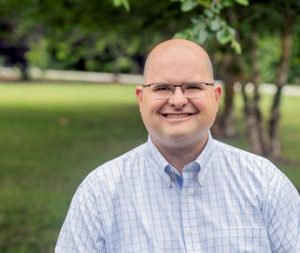
Bill Dressel
Bill has more than 20 years of experience in dam engineering— 17 of which were gained in positions with the U.S. Bureau of Reclamation (USBR) and Denver Water, where he worked on projects for over 100 different dams. Bill has extensive experience in the evaluation, design, and construction of embankment and concrete dams and appurtenant structures. Bill is a Federal Energy Regulatory Commission (FERC)- approved Independent Consultant and Facilitator and has facilitated dozens of risk analyses.
At the USBR, Bill served as a technical specialist, was a part of the Dam Safety Advisory Team (DSAT) and a core Risk Cadre member. As a DSAT member, he regularly reviewed the adequacy of technical and risk assessments used to support USBR’s dam-safety program decisions. As a Risk Cadre member, Bill was responsible for developing consistent risk analysis methodology, training others to facilitate risk analyses, and working with USBR decision-makers to further the development of risk assessment processes. He co-authored several chapters of the most recent edition of the joint USBR/USACE Best Practices in Dam and Levee Safety Risk Analysis and was a peer reviewer for the 2022 USBR Dam Safety Public Protection Guidelines. He also regularly instructed technical dam-safety training classes (Best Practices, SEED, FEMA Dam Safety) for engineers and dam safety professionals from the USBR, USACE, and other federal and state agencies.
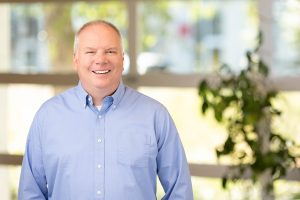
Adam Howard
Adam has 15 years of experience as a hydraulic and water resources engineer specializing in flood mitigation, stream restoration, stormwater management, and mine water management. A certified floodplain manager, he provides design services to public and private clients; leads stormwater modeling, feasibility studies, and design; and provides technical leadership for hydrologic and hydraulic (H&H) modeling. Prior to rejoining Barr in 2025, Adam served as a senior hydraulic engineer with the Saint Paul District of the U.S. Army Corps of Engineers (USACE) and was the Mississippi Valley Division’s Regional Technical Specialist for Hydraulic Design. In this role, he worked with multidisciplinary teams on large, fast-paced flood control projects requiring innovative hydraulic designs and coordination among multiple project partners.
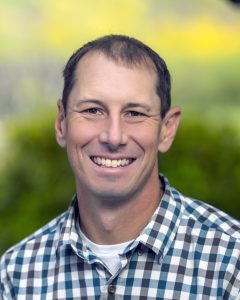
Liaofan Lin is a Research Scientist at the Cooperative Institute for Research in the Atmosphere (CIRA) at Colorado State University, contributing to the advancement of data assimilation systems in collaboration with NOAA/OAR/Global Systems Laboratory. His work focuses on advancing data assimilation for convection-allowing numerical weather prediction systems, particularly the Rapid Refresh Forecast System (RRFS).
Since joining CIRA in 2019, he has contributed to the implementation and operational transition of RRFS and the integration of the Joint Effort for Data assimilation Integration framework into regional forecasting systems. He has led the development of observation impact diagnostics within RRFS, evaluating the influence of satellite radiances, hyperspectral infrared sounders, lightning, and conventional observations on convection-allowing forecasts.
Dr. Lin serves as Principal Investigator for multiple NOAA-funded projects related to data assimilation and extreme precipitation applications. His research interests include coupled land-atmosphere data assimilation, observation impact assessment, and applications of machine learning in high-resolution weather prediction.
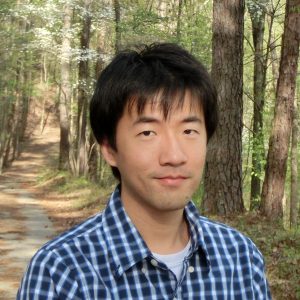
Ryan Bailey is a Professor in the Department of Civil and Environmental Engineering at CSU, joining the faculty in 2013. He received his BS in Civil and Environmental Engineering from Brigham Young University, his MS in Environmental Science from the University of Guam, and his PhD from Colorado State University. His research focuses on the sustainability of watershed management practices regarding water quantity and water quality. Recent projects have focused on the development of process-based, dynamic numerical modeling codes to identify sustainable management practices within environmental systems and have provided a foundation for ongoing and future research. Ryan enjoys spending time with his family, doing house projects, and playing sports.
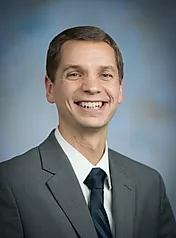
Dr. Laura Sunberg is an assistant professor in the Civil, Environmental and Architectural Engineering Department and a fellow of the Institute of Arctic and Alpine Research at the University of Colorado Boulder. Her research focuses on the transport of particles such as microplastics and firebrands in environmental flows through laboratory experiments and numerical simulations. She completed her Ph.D. at Stanford University in Civil and Environmental Engineering with a focus in environmental fluid mechanics.

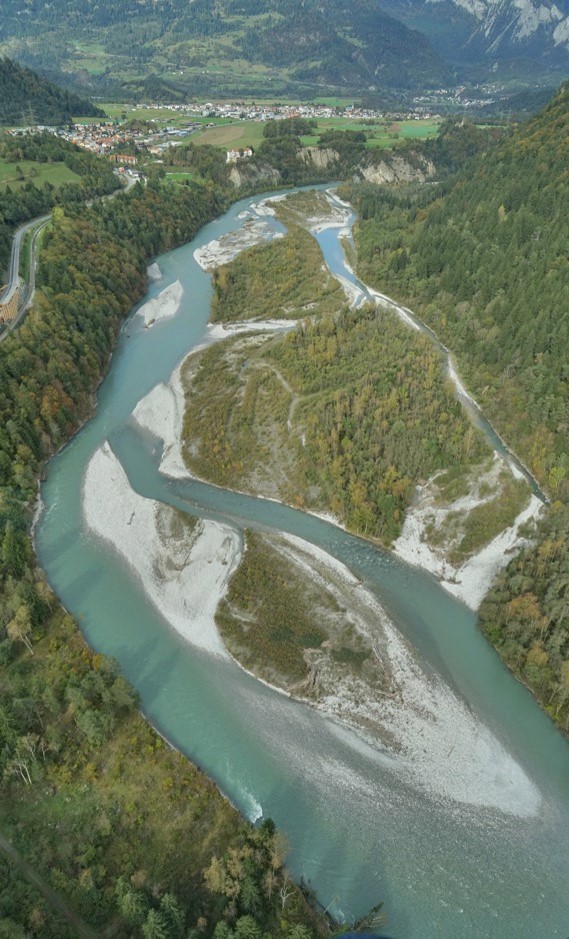
Kyle Strom is a professor in Civil and Environmental Engineering at Virginia Tech where he teaches and conducts research in the field of environmental hydraulics and sediment transport. Dr. Strom received his B.S. and M.S. degrees from Washington State University and a Ph.D. from the University of Iowa. His research focuses on the fluid and sediment dynamics of natural systems such as rivers, estuaries, and deltas over a range of spatial and temporal scales. The underlying motivation for his group’s work is the understanding of fundamental processes for better forward and backward prediction of river and landscape system evolution in time under natural and anthropogenic influences. For more information see www.strom.cee.vt.edu.