Undergraduate Programs

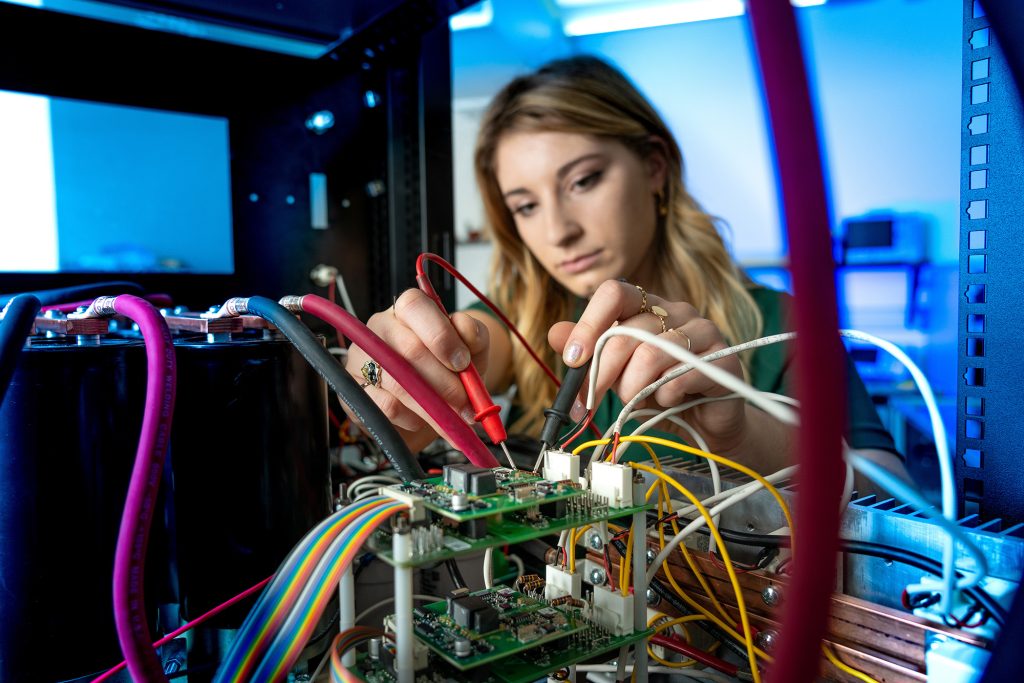
Student works on electronics in a lab.

Biomedical Engineering dual degree with

Electrical engineering

BME+EE and BME+EE/Lasers & Optics (L&O) students learn to develop/design/enhance technologies that harness electrical signals into technologies that support health –design medical instruments that image and/diagnose/treat illnesses; detect threats to food safety and security; utilize biosensors to diagnose cancer cells.
Potential Occupations

The BME+EE pathway will enable you to develop or design better ways to image and/or diagnose illnesses. For example, using laser-based imaging to detect viruses, developing ways to increase electrical signals to detect threats to food safety and security, designing biosensors to diagnose cancer cells, or developing software to determine toxic pesticide levels in people. You might also design medical instruments including MRI, ultrasound, or x-ray machines.

Job Outlook

According to the Bureau of Labor Statistics, employment of biomedical engineers is projected to grow 6% from 2020 to 2030, about as fast as the average of all occupations. However, employment of electrical engineers is projected to grow 7% from 2020 to 2030.

Major-specific

Skills and Abilities

In addition to the important qualities required of a biomedical engineer (creativity as well as analytical, communication, math, and problem-solving skills), electrical engineers need:

Concentration

When designing and developing complex electrical systems, electrical engineers must keep track of multiple design elements and technical characteristics when performing these tasks.

Initiative

Keeping up with the latest changes in the industry is an critical element for electrical engineers. They must apply their new knowledge to the project they undertake.

Interpersonal Skills

Electrical engineers must collaborate with others to ensure that their plans are implemented correctly. This may include keeping a group “on track” and moving toward the completion of a project or interacting effectively with peers and supervisors.

Speaking skills

Electrical engineers work on complex projects with lots of detail and, often times, work closely with other engineers and technicians. They must be able to convey information or instructions clearly and effectively, not only to their peers, but also to customers who may not have the technical expertise.

Writing skills

The ability to write concisely is imperative for electrical engineers, as they often develop design methods documents, maintenance or operation manuals, parts lists, and product proposals related to equipment they develop.

BME+EE Curriculum

Our bachelor of science degree in Biomedical Engineering (BME) combined with an Electrical Engineering (EE) degree provides a strong background in applied physics, signal and image processing, and instrumentation controls to design and create equipment, devices, computer systems, and software used in healthcare to make improvements for individuals and society. The BME+EE pathway at CSU provides students with two bachelor’s degrees within 5 years.

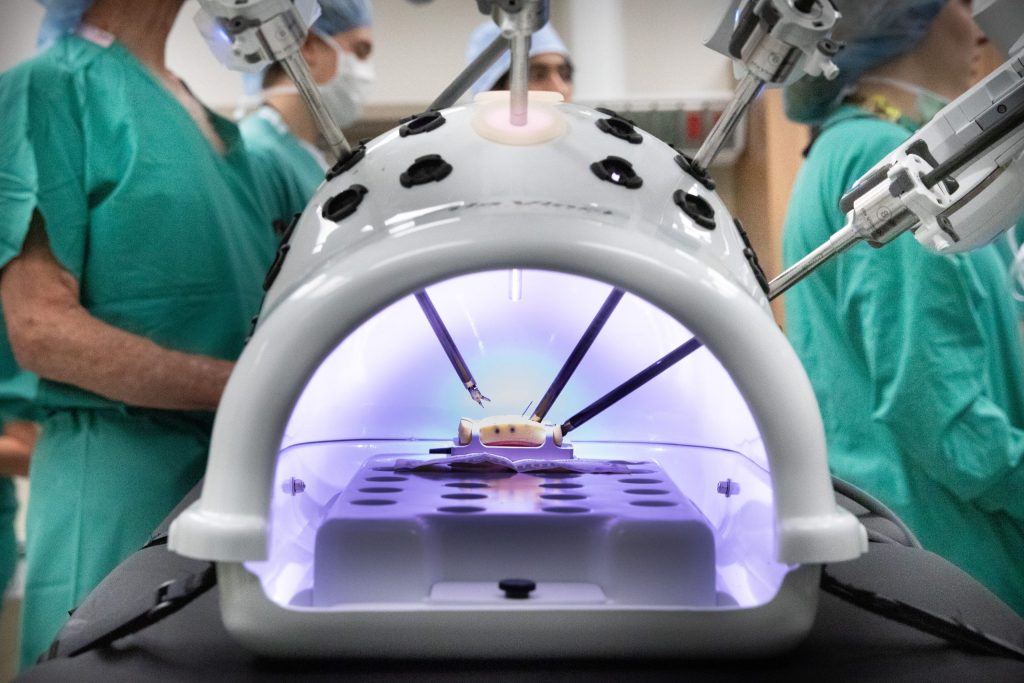
An inside look at the inner workings of the da Vinci robot created by Intuitive Surgical. This is a practice model used at UC Health MCR. Photo Credit: Marianne LaCount
• • •

BME+EE Lasers & Optics Curriculum

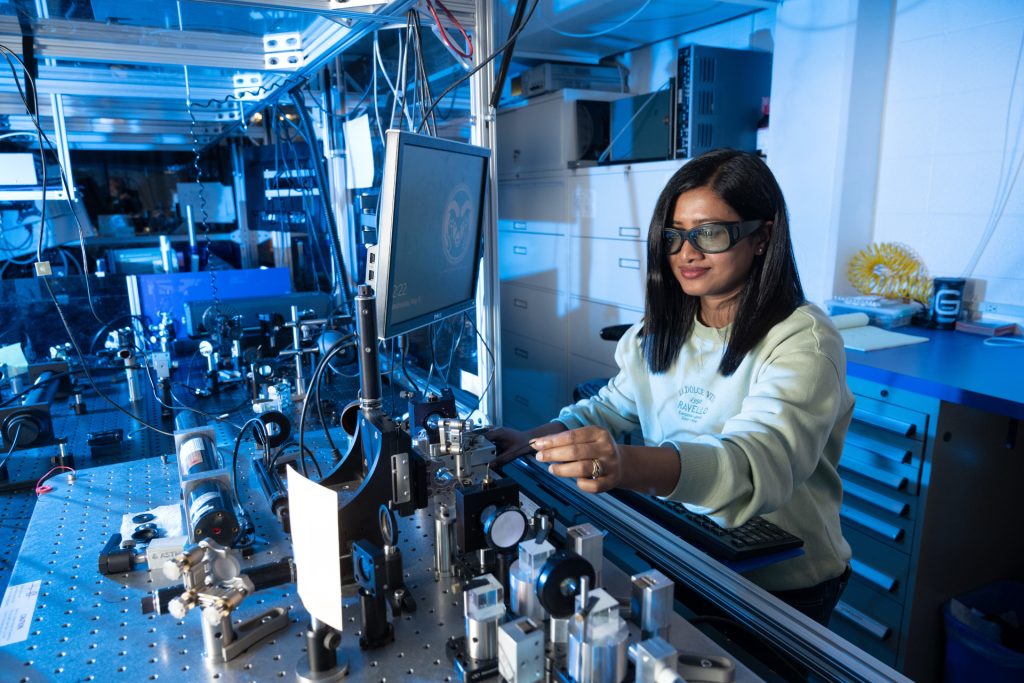
Biomedical Engineering (BME) combined with Electrical Engineering (EE) and a concentration in Lasers & Optics (L&O) further refines electrical engineering principles with additional physics, optics and lasers courses, resulting in a specialty that works in areas such as optics, biosensors, or ultra-fast lasers that help image and/or treat biological systems (e.g. radiation therapy, electro-chemical microfluidics).

Questions about our majors?

We're ready to help!

Do you have a question that’s not featured on our website? Undergraduate Advisors Chase Jackson and Claire Lavelle are happy to help! Email your questions to either advisor below.